

Key Considerations for a Timeless, Minimalist Kitchen
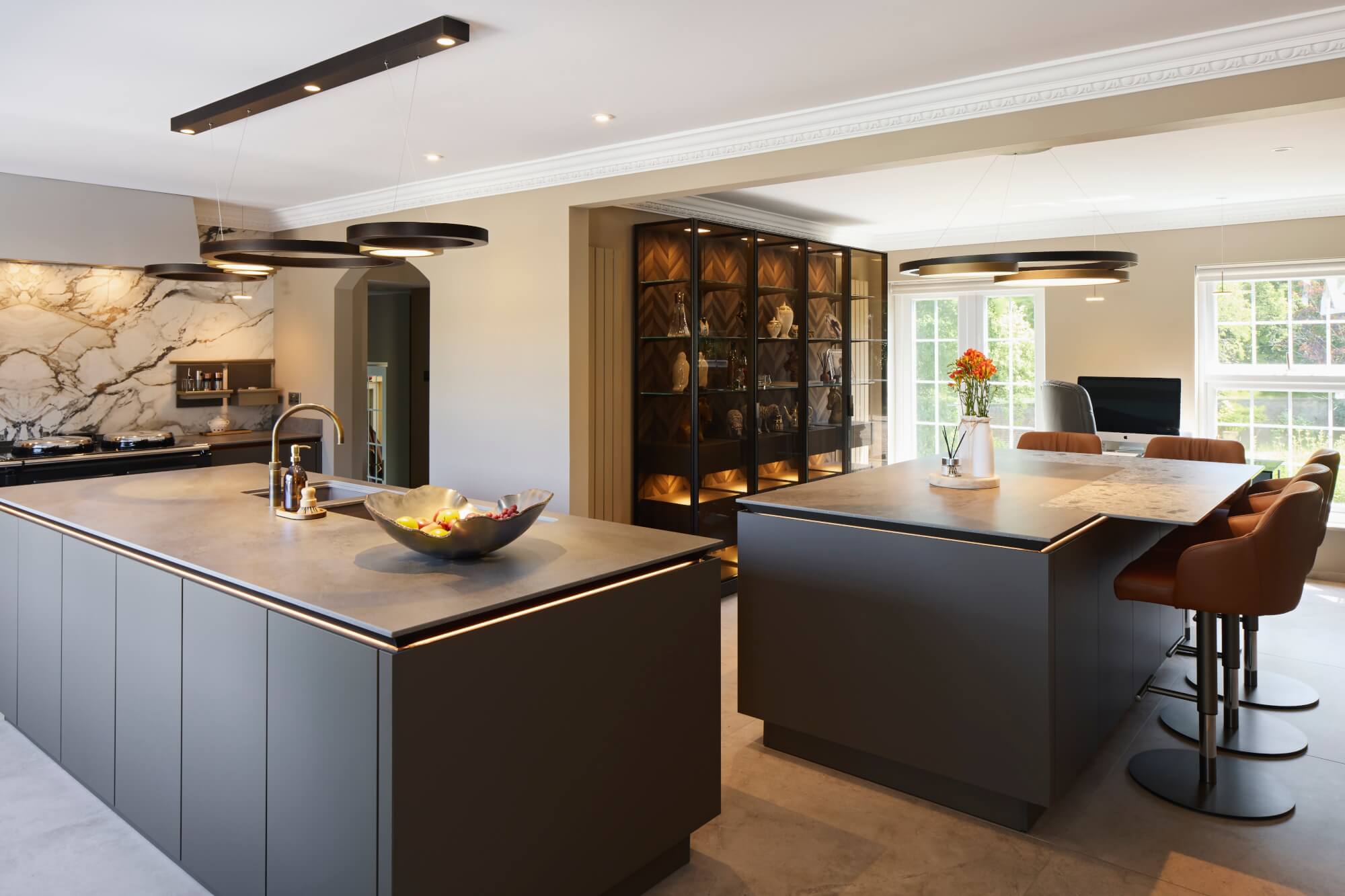
A minimalist kitchen holds its authority when the set-out carries the order. The cabinet grid fixes hierarchy, junction lines align to consistent references, and storage logic is mapped to routine so the room stays composed through daily use.
Timelessness is built from coordinated mechanisms. Proportion settles volumes in the room, flow protects circulation and clearances, and finish discipline keeps materials and lighting consistent at the interfaces that receive the most use—so calm reads as a practical outcome rather than a stylistic claim.
MINIMALISM IS EXPRESSED THROUGH ARCHITECTURAL ORDER
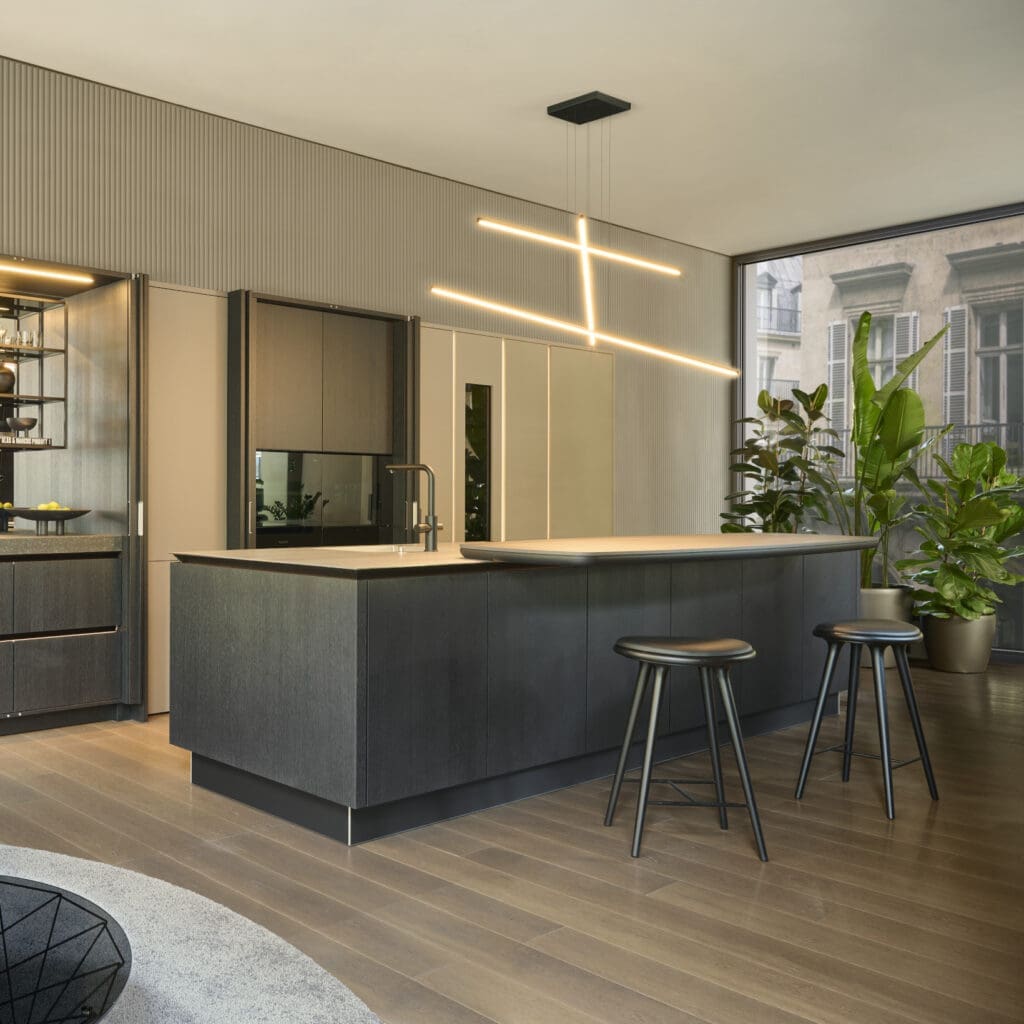
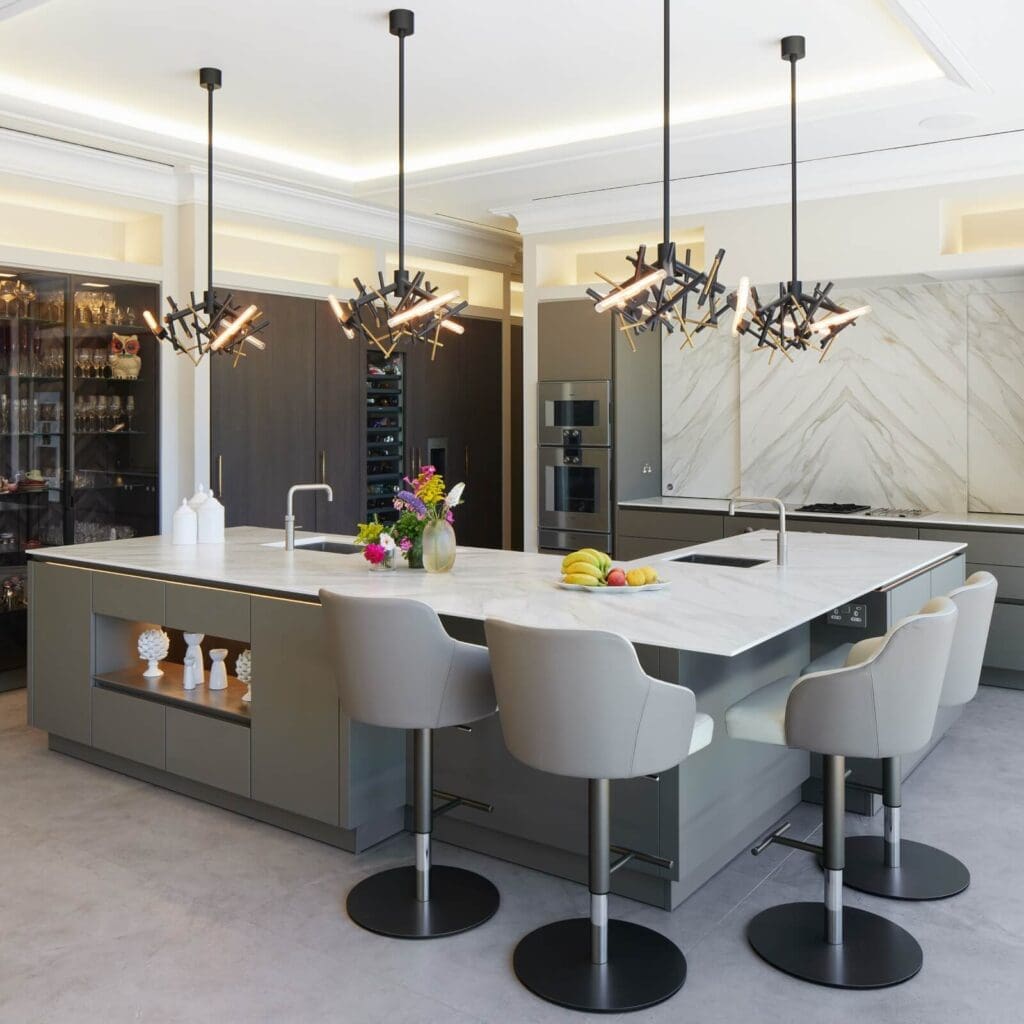
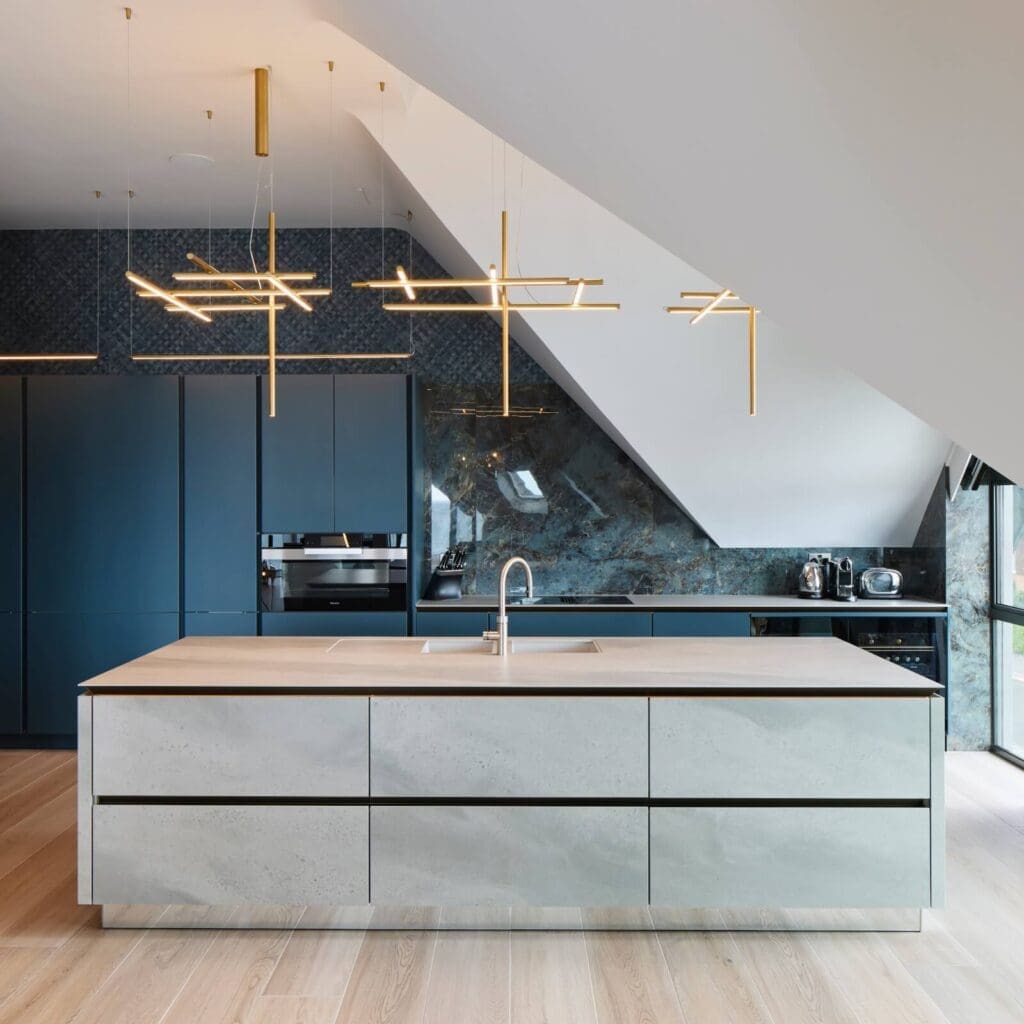
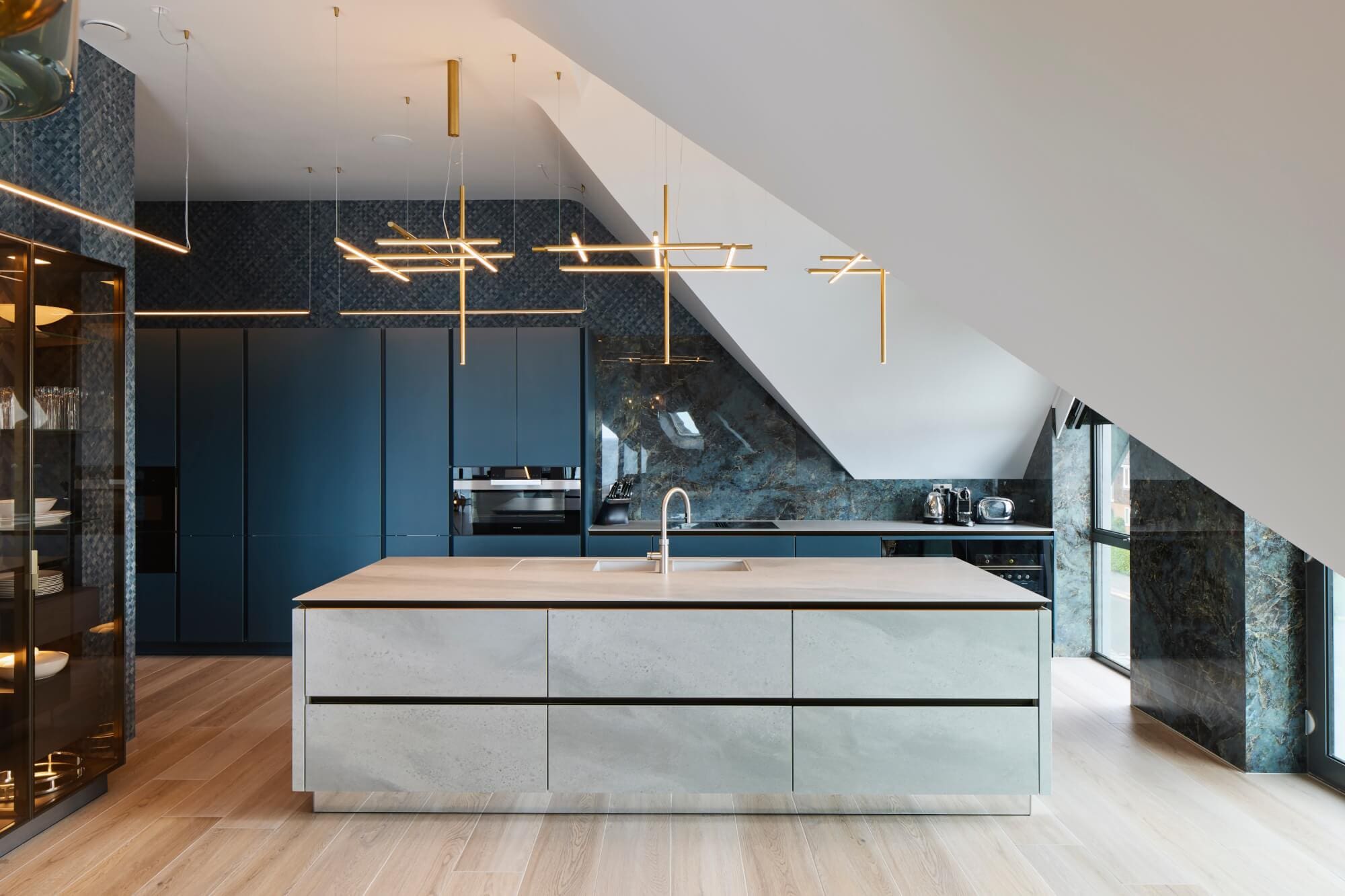
Minimalism is planned as disciplined reduction. Fewer competing lines, clear hierarchy, and a cabinet grid carried through tall runs, islands and appliance housings keep the elevation legible from every approach.
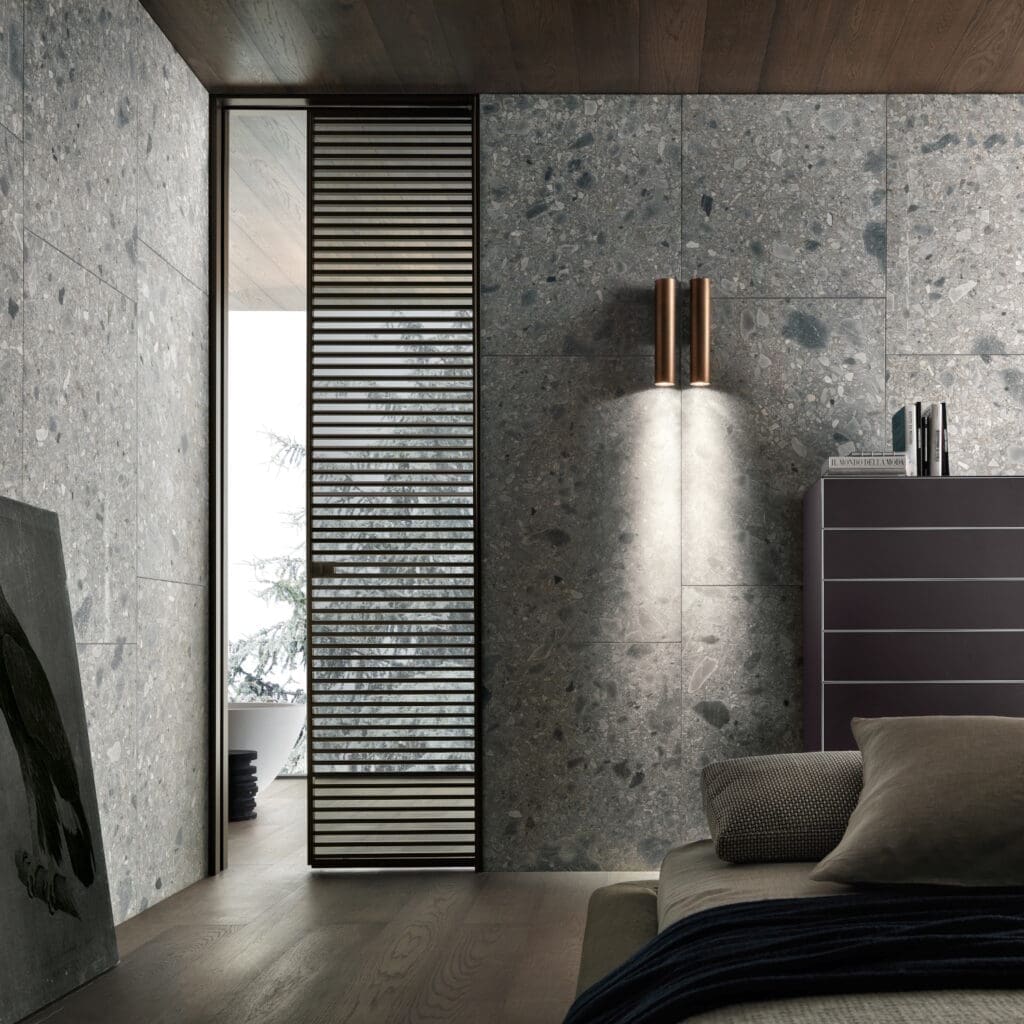
Warmth is carried by controlled placement rather than added detail. Texture sits at touchpoints, and lighting layers are set to real use-cases so the room reads composed in the day and settled in the evening.
Where minimalist intent is expressed through system cabinetry, consistency depends on alignment, adjustment logic and long-term component behaviour—one reason minimalist kitchens are often specified through partners such as SieMatic when the brief requires stable reveals and predictable hardware performance.
PROPORTION AND FLOW SET THE ROOM’S PERFORMANCE
The plan begins with circulation. Walkway widths, appliance door swings and seating pull-backs are set out together so movement remains clear during simultaneous use, supporting a calmer working sequence.
Adjacencies then hold routine. Sink, prep and hob positions align to a short route, with waste, refrigeration and primary storage placed on the same path so cooking and clearing remain predictable.
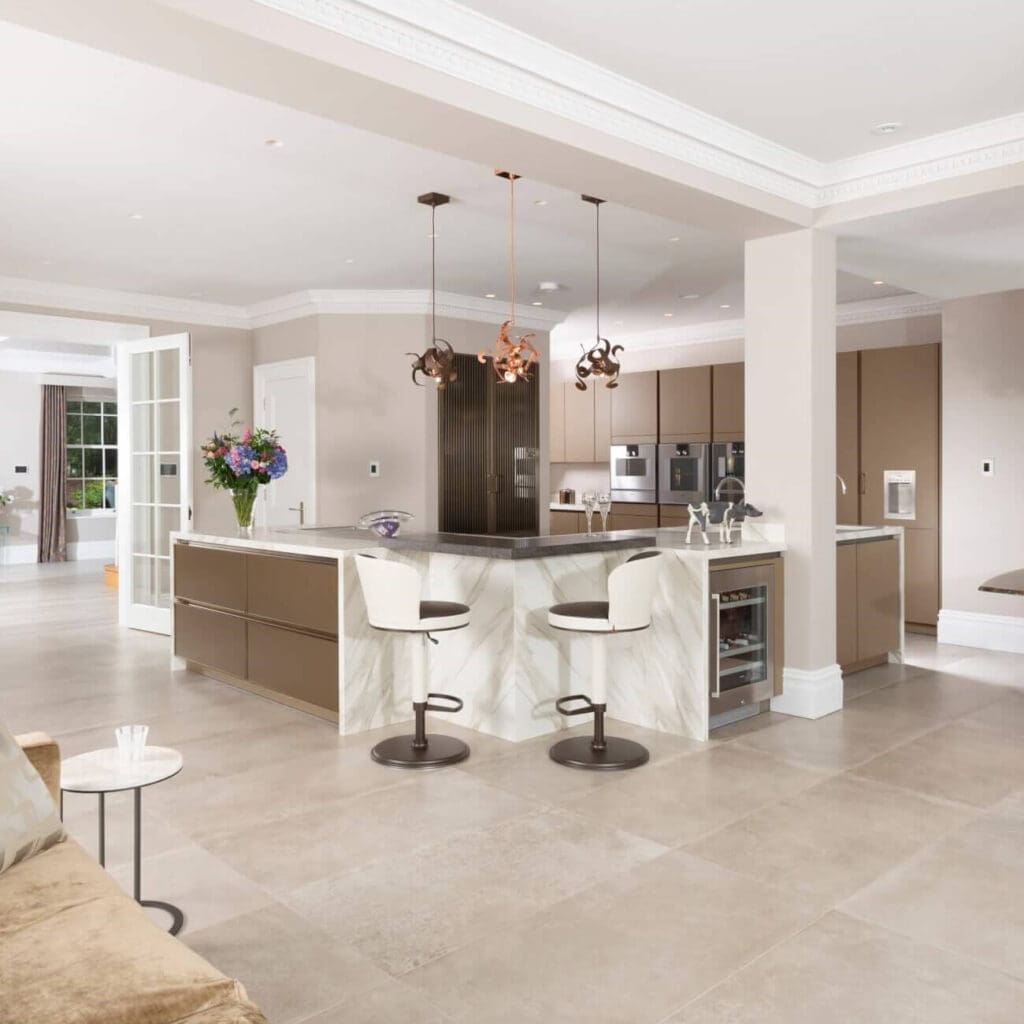
An island earns its footprint when overhangs, stool spacing, task lighting and power positions are coordinated to the cabinet grid. When proportion is right, the island reads as part of the architecture rather than an inserted object.
STORAGE LOGIC KEEPS THE ELEVATION QUIET
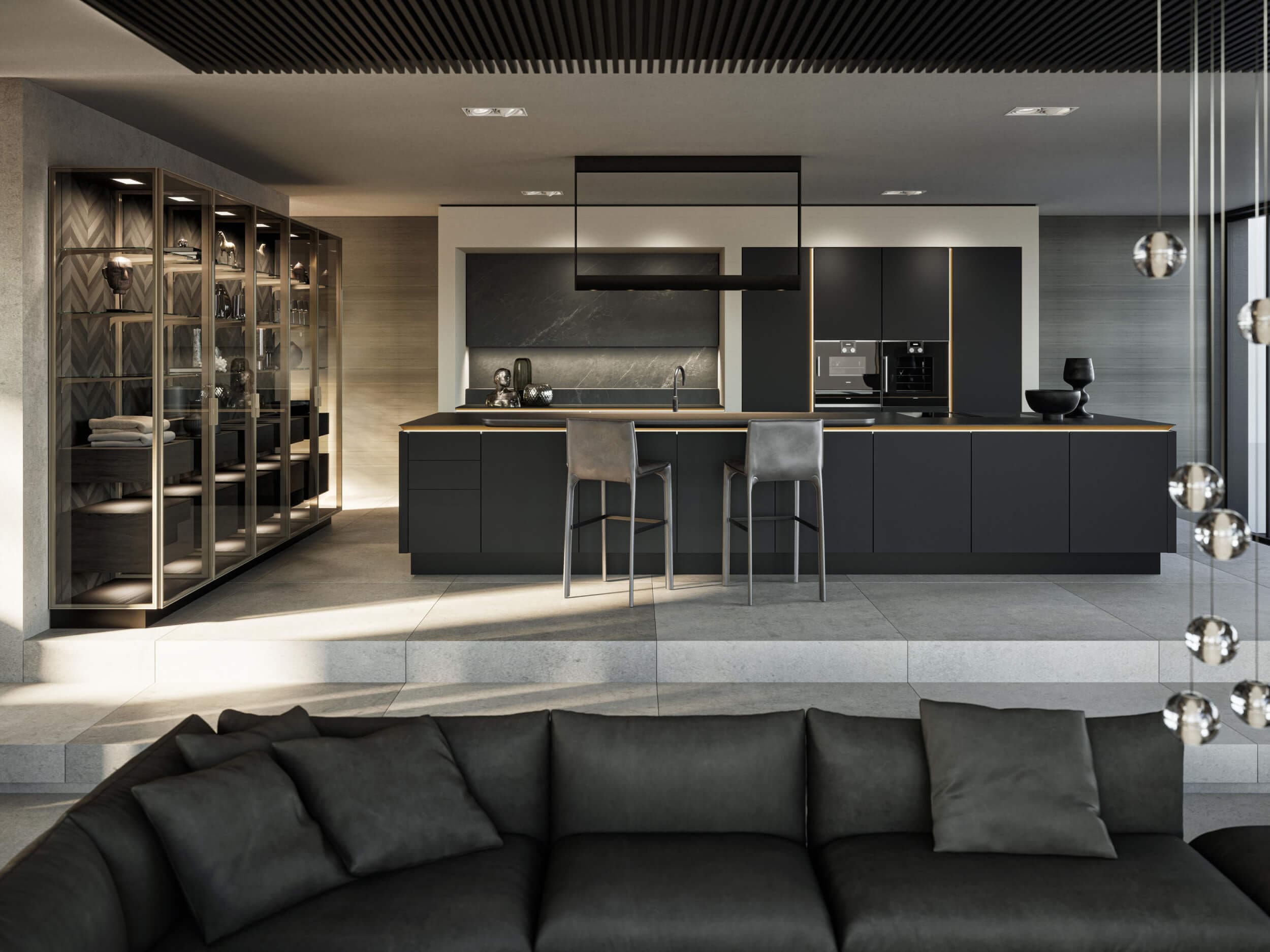
Minimalism holds when storage is planned as a system. Volumes are assigned by routine at the point of use, so worktops stay usable during cooking and hosting.
Tall storage performs when internal layouts are resolved on drawings and service access is protected so the run stays continuous after installation. The built-in strategies that keep elevations quiet are developed in kitchen storage ideas, where internal planning is treated as part of the set-out rather than a later accessory decision.

JUNCTION DISCIPLINE AND LIGHTING LAYERS DELIVER THE FEEL
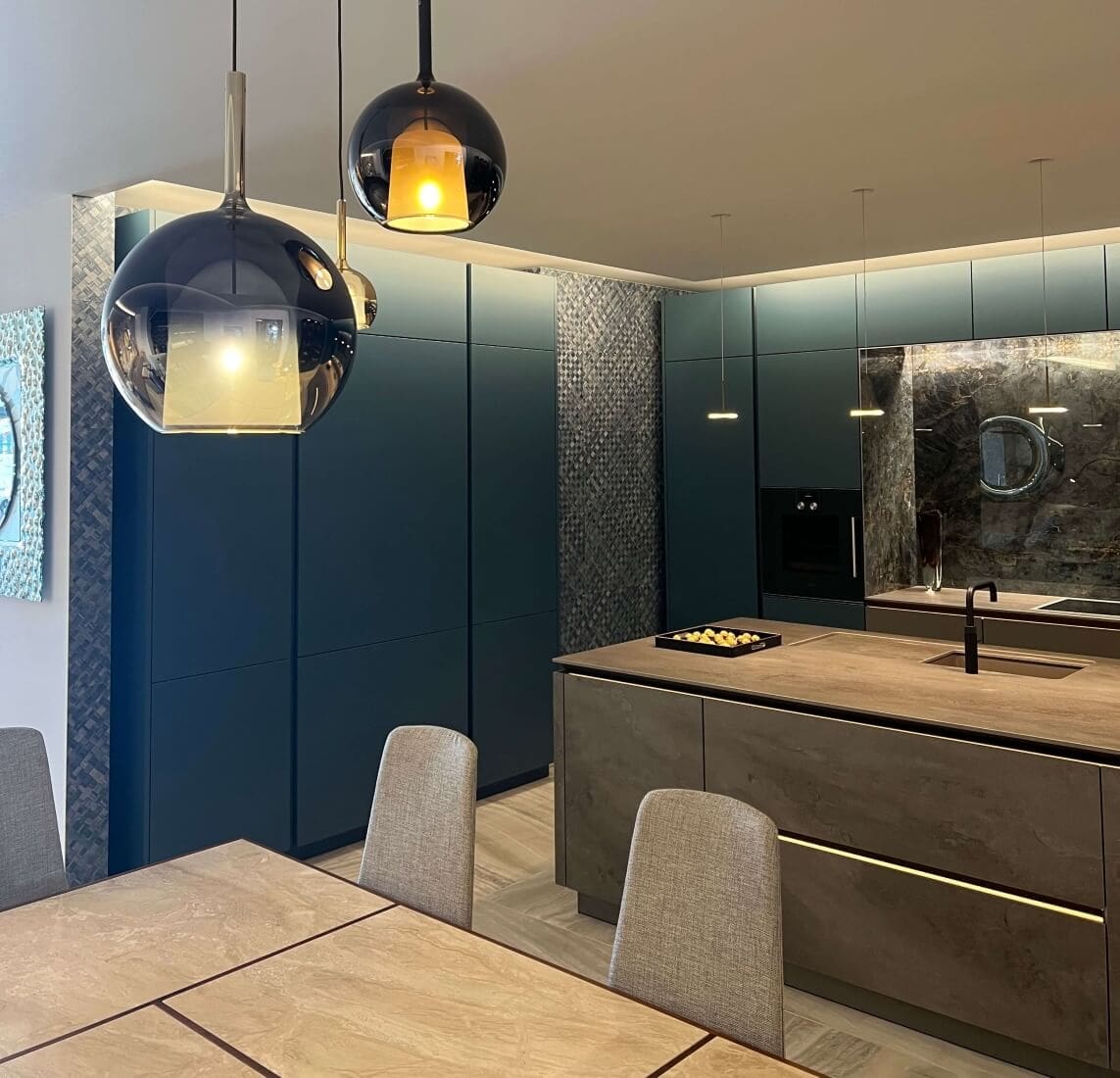
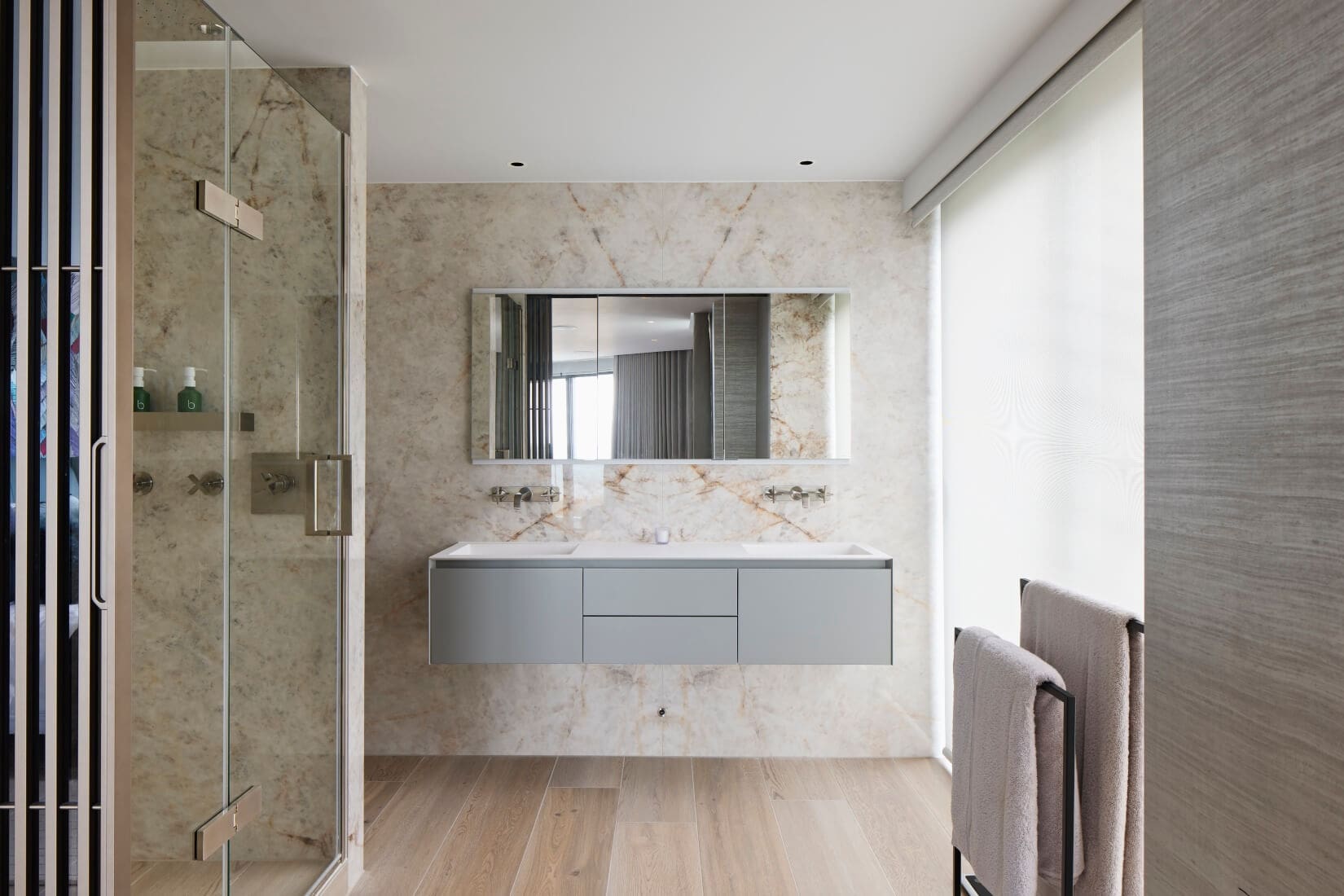
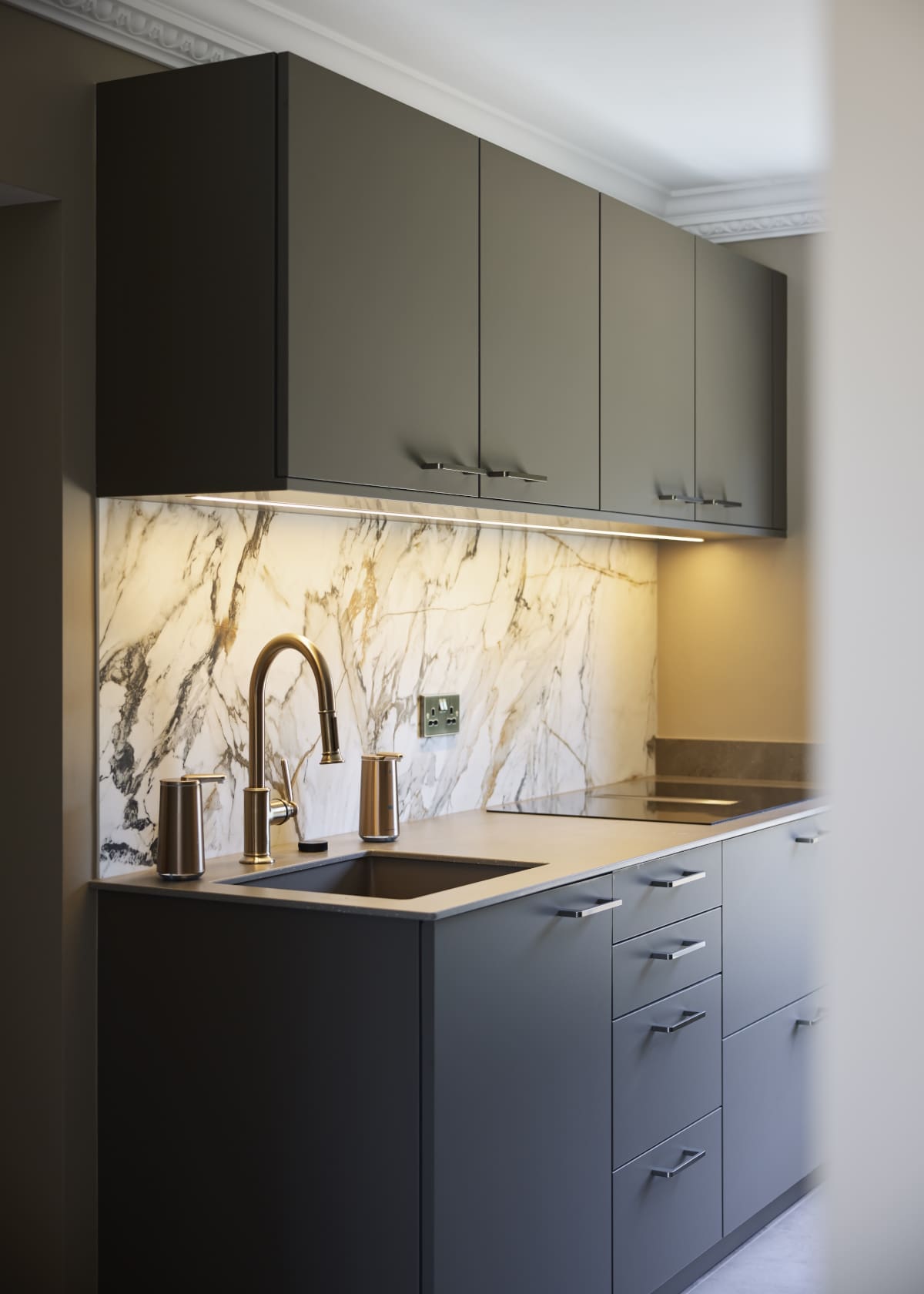
A restrained palette reads timeless when it is carried through interfaces. Worktops and splashbacks are specified to a performance brief, then detailed so edges, corners and returns stay coherent as materials take wear.
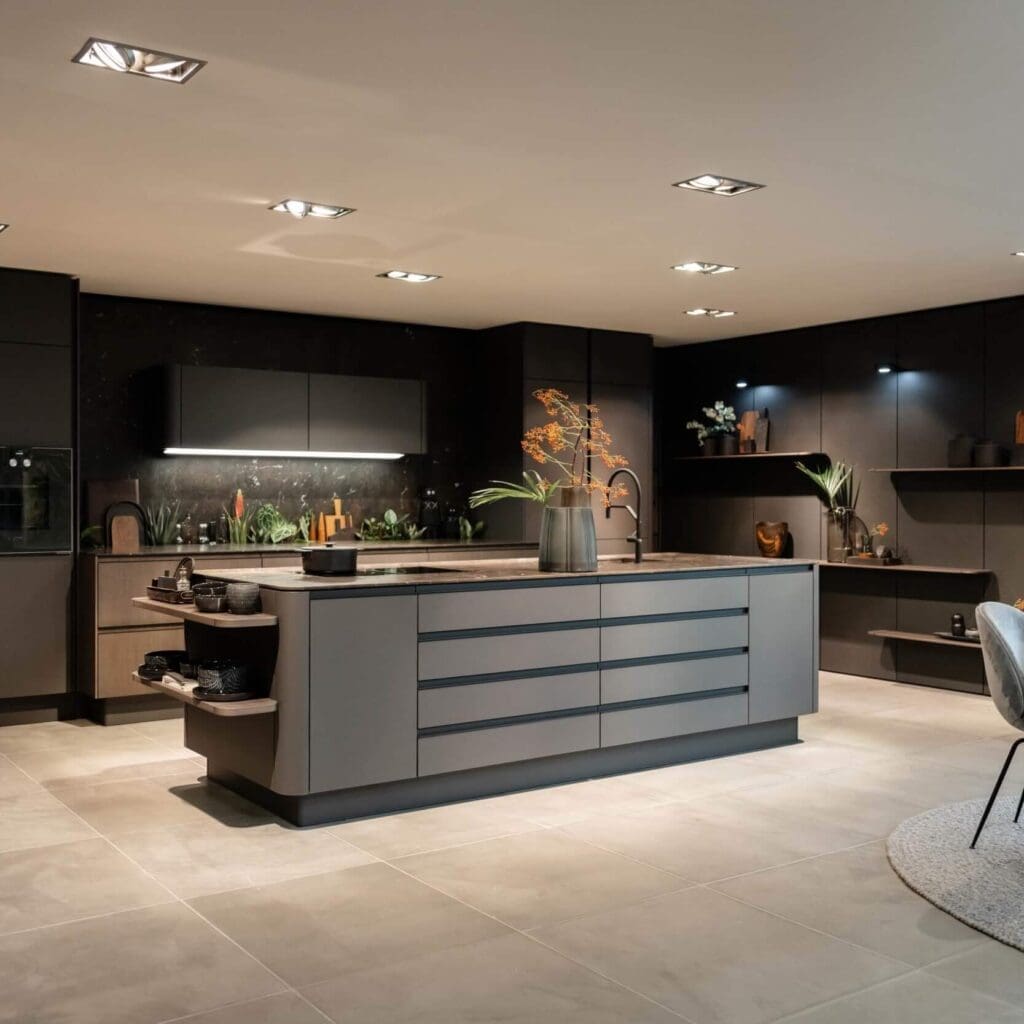
Lighting is set out in layers against the cabinet grid. Task light supports prep and sink zones, ambient light carries evening scenes, and integrated profiles reinforce geometry so the room shifts between modes without losing hierarchy.
In many projects, minimalist outcomes overlap with handleless geometry. The reveal discipline and interface logic that keep a minimalist elevation calm are expanded in luxury handleless kitchen design, where grip strategy and hardware behaviour are treated as long-term performance decisions.
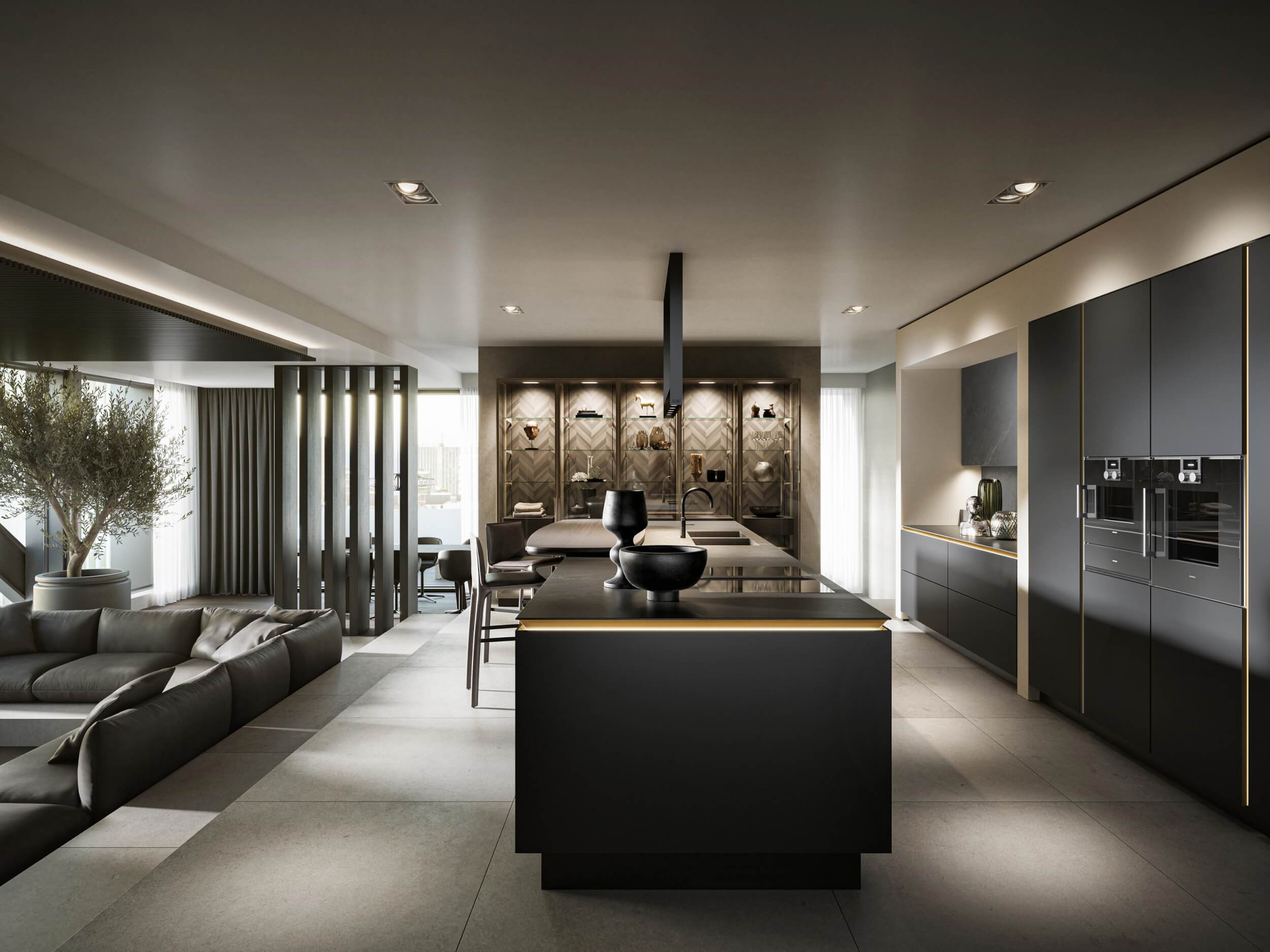
PROOF IN BUILT WORK: FRIARS CLIFF APARTMENT
At our Friars Cliff Apartment project in Dorset, a restrained kitchen composition was planned around alignment discipline and practical clearances, keeping the room visually quiet while maintaining a direct working sequence. The result reads settled because proportion, storage logic and junction control were resolved together.
PRACTICAL VERIFICATIONS
- Reduce lines by holding one cabinet grid through tall runs, islands and appliance housings.
- Set circulation clearances with drawers open and stools pulled back, then lock the plan.
- Specify the palette to a usage brief, then detail junctions so interfaces stay coherent over time.
- Plan lighting scenes from routine, then align profiles and fittings to the cabinet datums.
- Resolve internal storage layouts on drawings so “minimal” remains practical in daily use.
Within minimalist kitchen design, the minimalist result is carried by set-out discipline, proportion and junction control—so the room stays calm because daily life has been planned into the architecture.