

Interior Architecture: What It Is
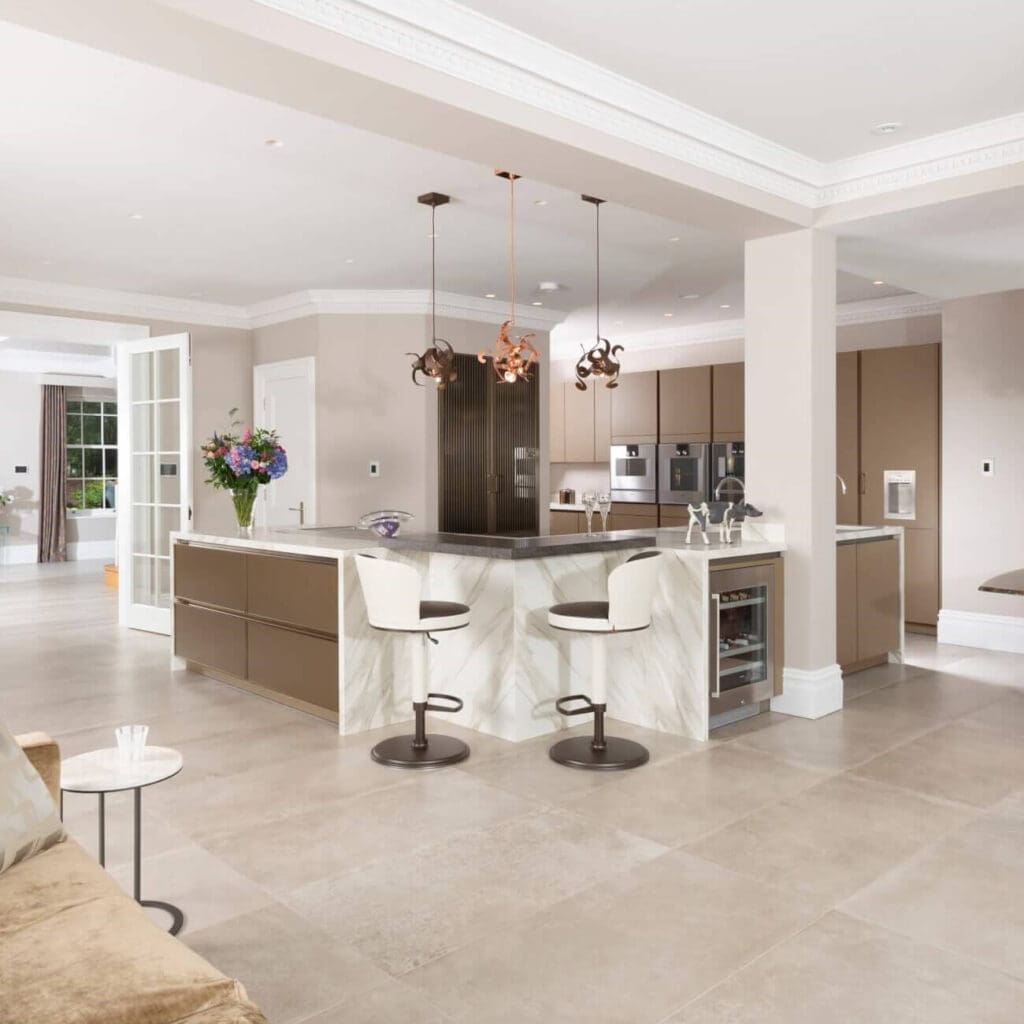
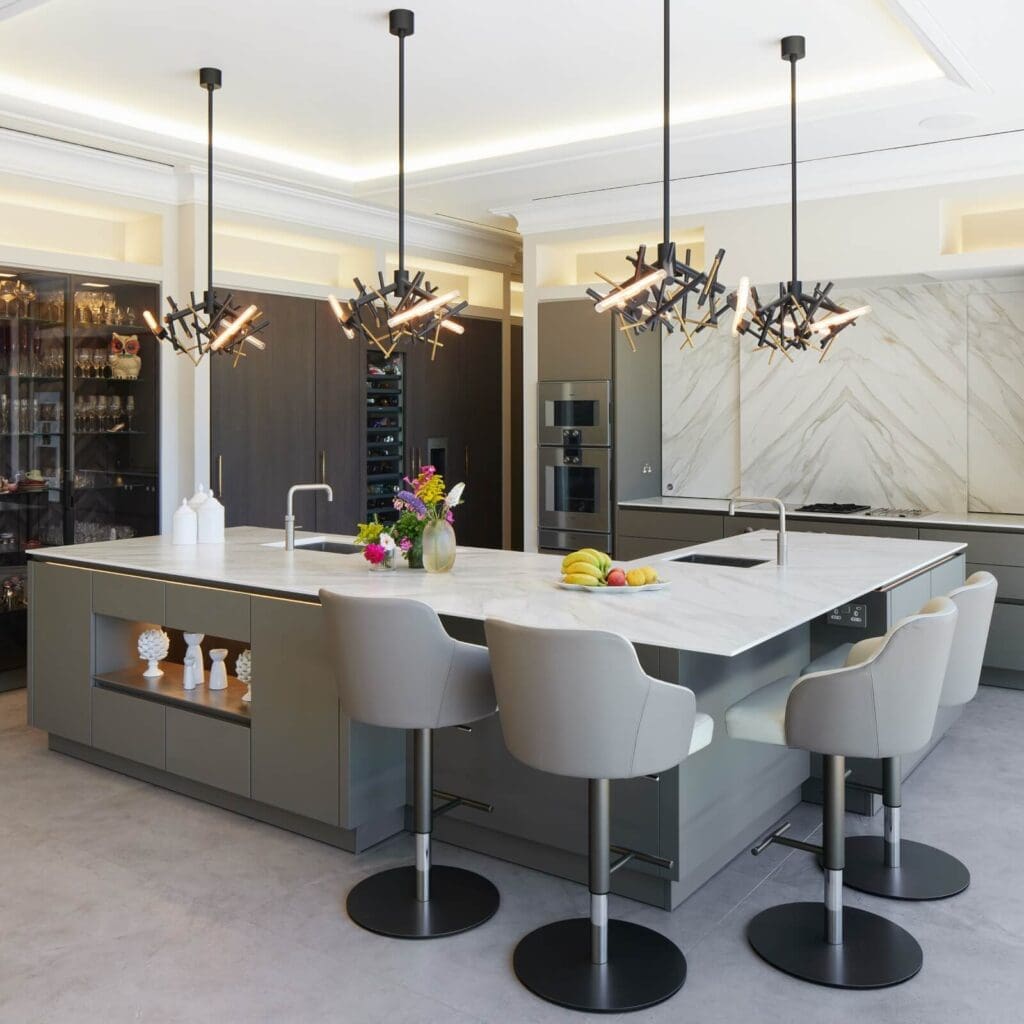
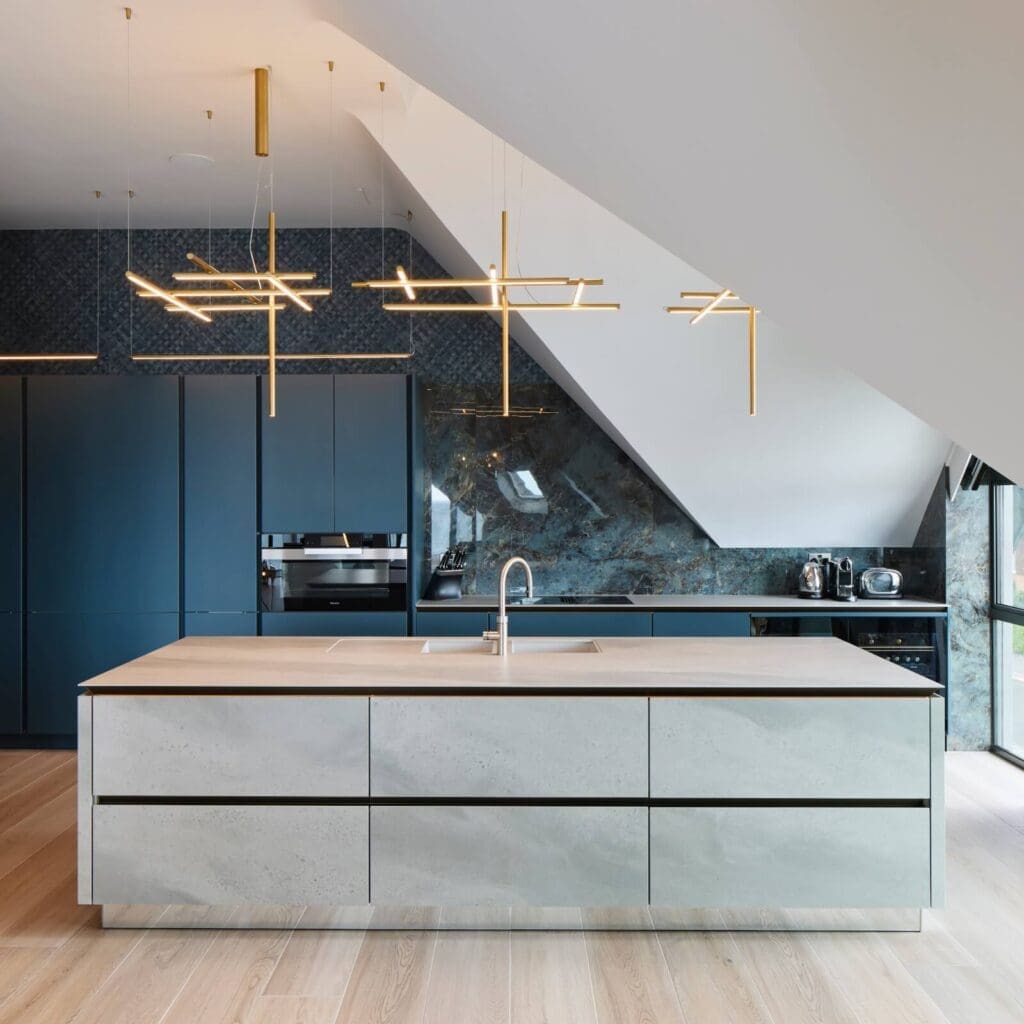
A home works best when the plan supports the day it contains: morning routes, shared cooking, quiet corners, thresholds that feel settled. Interior architecture shapes that lived structure. It fixes proportion and circulation first, then carries those decisions through joinery, light, services and finishes so the space reads as one coherent whole in use.
Dream Design treats interior architecture as the discipline of making rooms behave well over time. Set-outs, adjacencies, sightlines, lighting layers and junction detailing are coordinated as one system, then carried through drawings and site checks so the finished result matches the planning intent.
INTERIOR ARCHITECTURE IS PLANNING CARRIED THROUGH TO THE BUILD RESULT
Interior architecture begins with spatial planning and continues through the details that decide daily comfort. Proportion sets the weight of volumes in a room. Circulation makes movement legible when multiple people use the space at once. Thresholds and sightlines shape how rooms connect, and the decisions remain coherent when they are carried through to joinery lines, lighting positions and service routes.
The discipline sits in the carry-through: a plan that reads clearly on paper becomes a room that stays clear in use because the same organising logic holds from layout to installation.
SET-OUT AND CIRCULATION CREATE A CALM, READABLE HOME
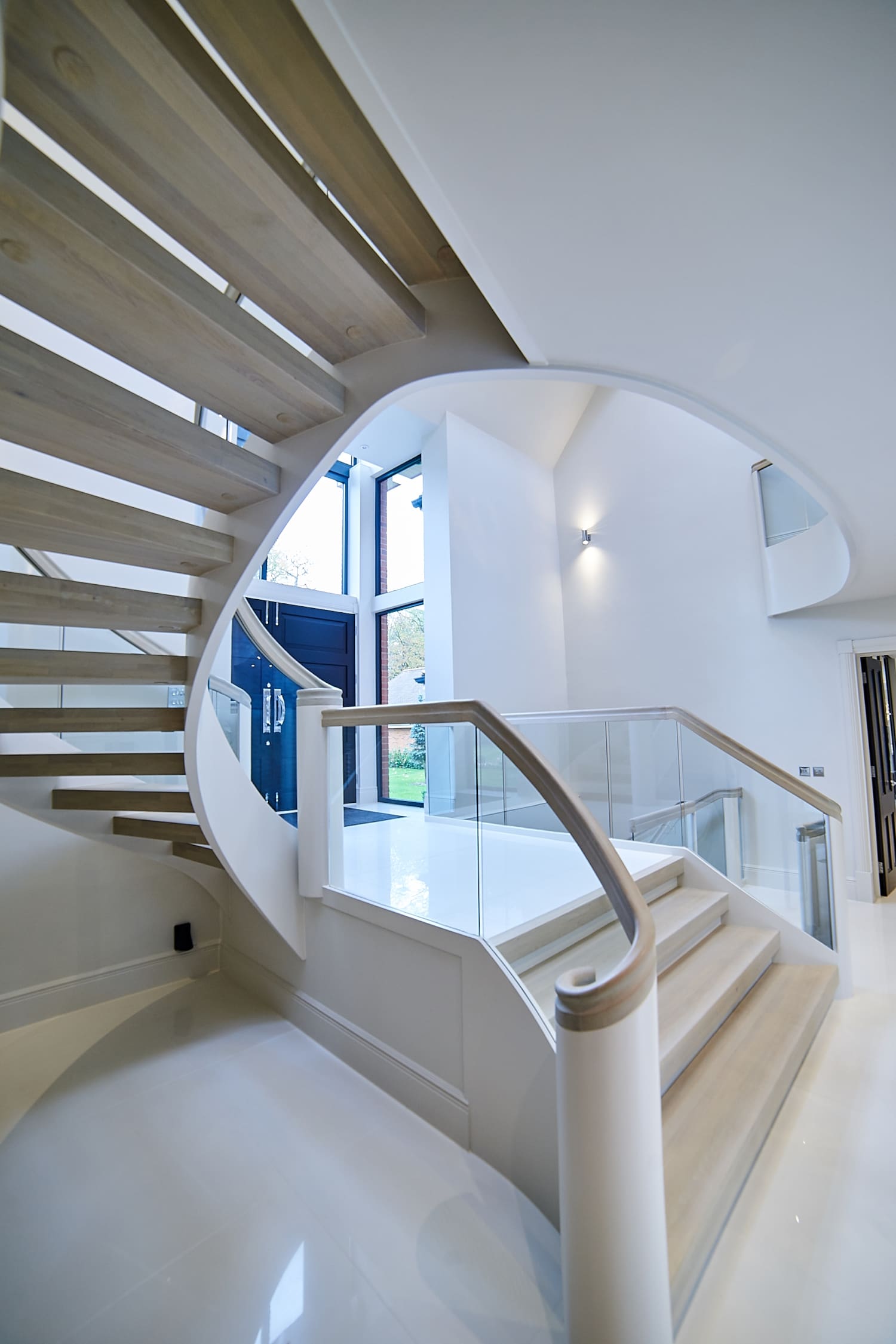
A resolved interior starts with routes. Circulation lines are fixed early, then clearances are set around door swings, drawer opens and seating pull-backs so movement remains comfortable at peak use. Adjacencies then do the work of daily life: the sink sits on the natural clearing route, storage sits at the point of use, and secondary functions sit where they support routine rather than interrupt it.
Sightlines refine that plan. Long views are held through openings and along primary axes so the home feels composed from the first step inside, with each threshold marking a clean change of use rather than a visual interruption.
THRESHOLDS, DOORS AND JUNCTIONS HOLD THE ARCHITECTURAL ORDER
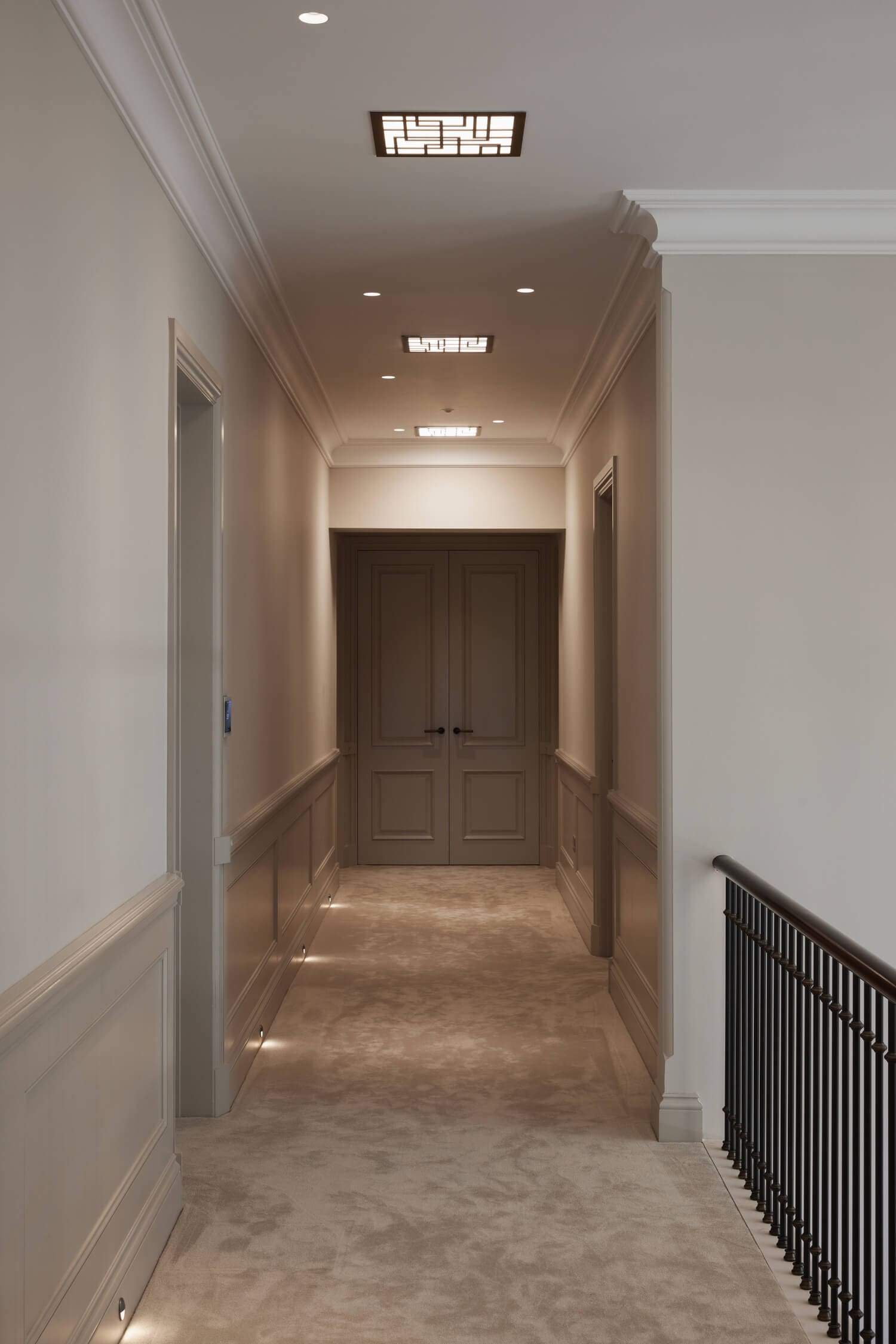
Calm interiors are built at the interfaces. Door heights, wall lines and skirting details carry proportion through the home, and junction control keeps the finish disciplined where materials meet. Full-height pocket doors keep openings generous while allowing rooms to separate cleanly in use. Flush doors and concealed frames hold wall lines as continuous planes, and secret doors sit within panelling so circulation remains readable while access stays discreet.
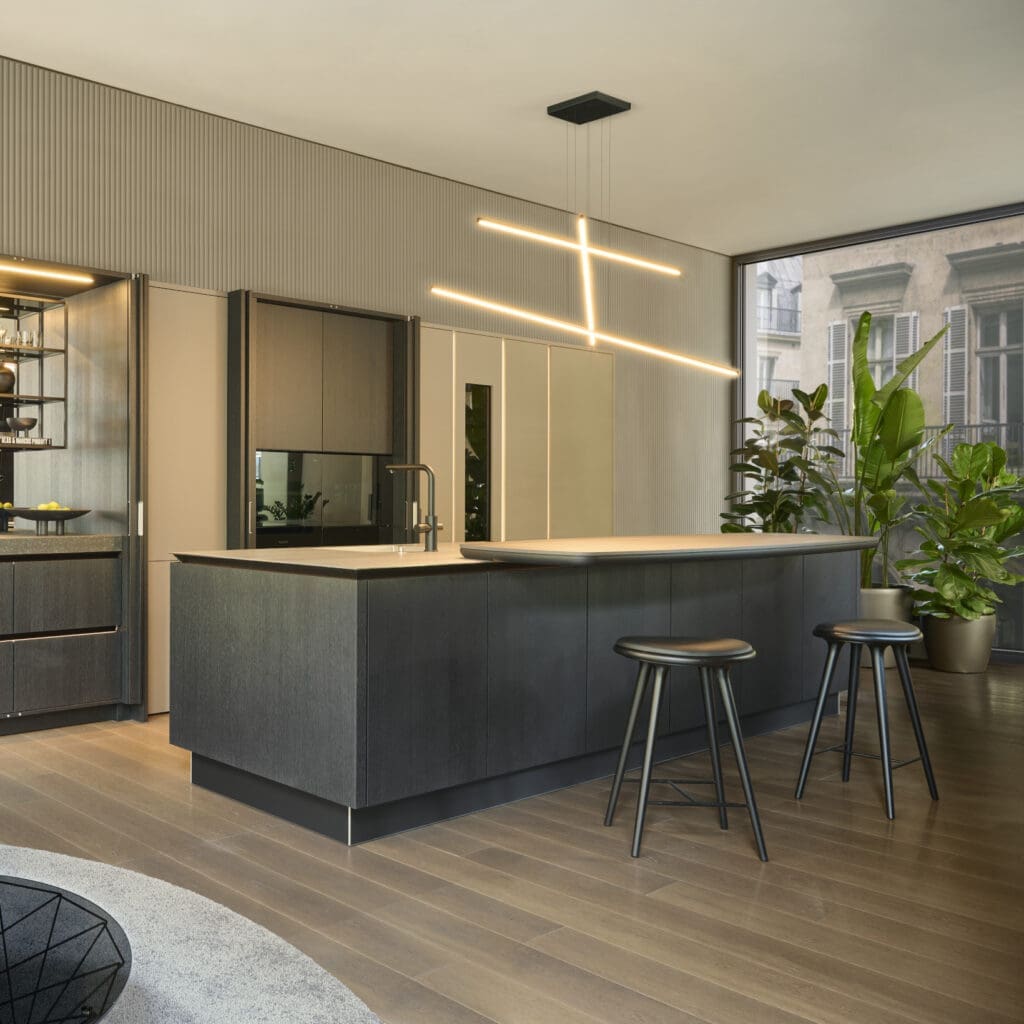
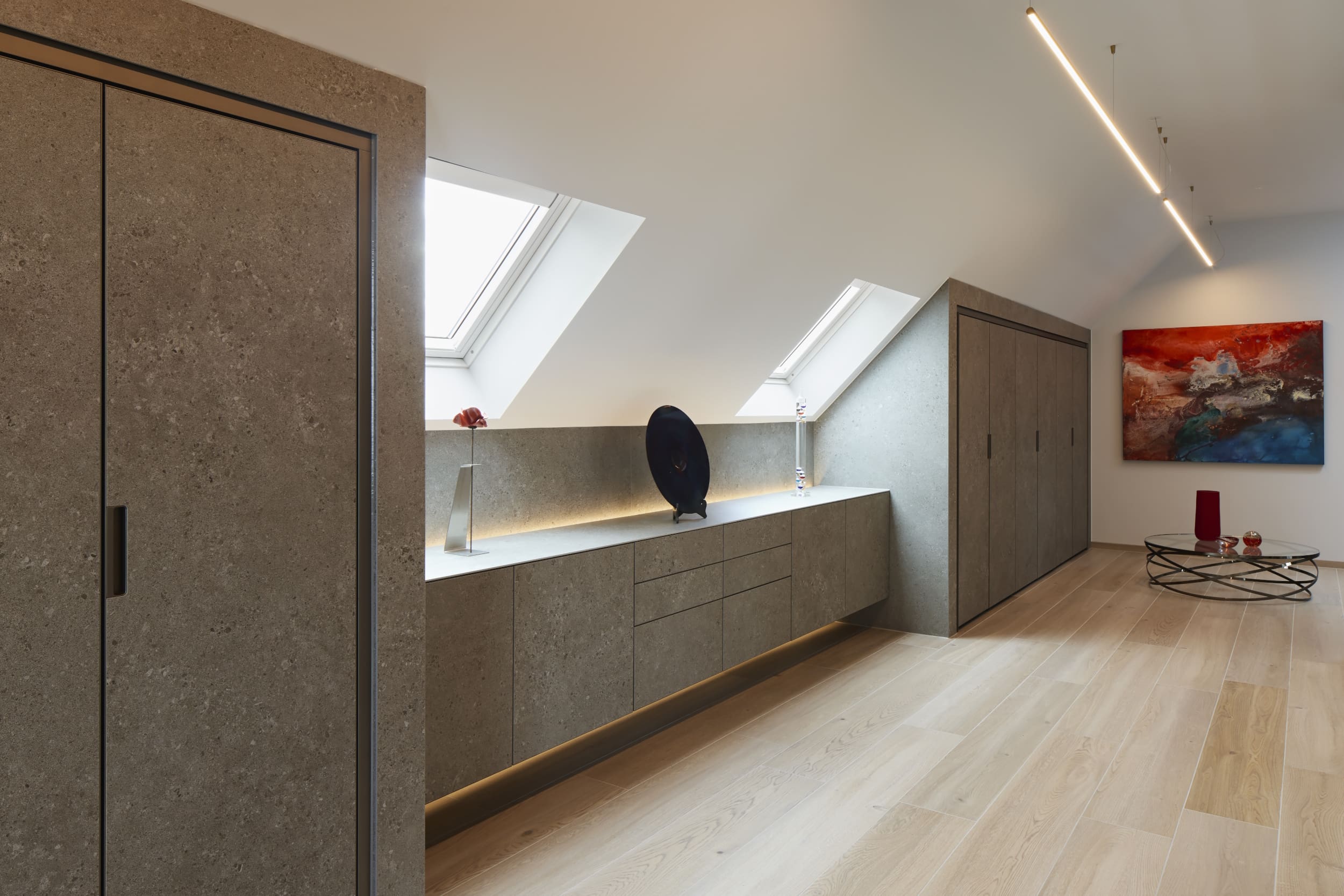
In our Friars Cliff Apartment project, interior architecture decisions were carried through the joinery grid and junction detailing so the minimalist language remained consistent in daily use, with SieMatic SLX cabinetry supporting a continuous elevation line and resolved internal organisation.
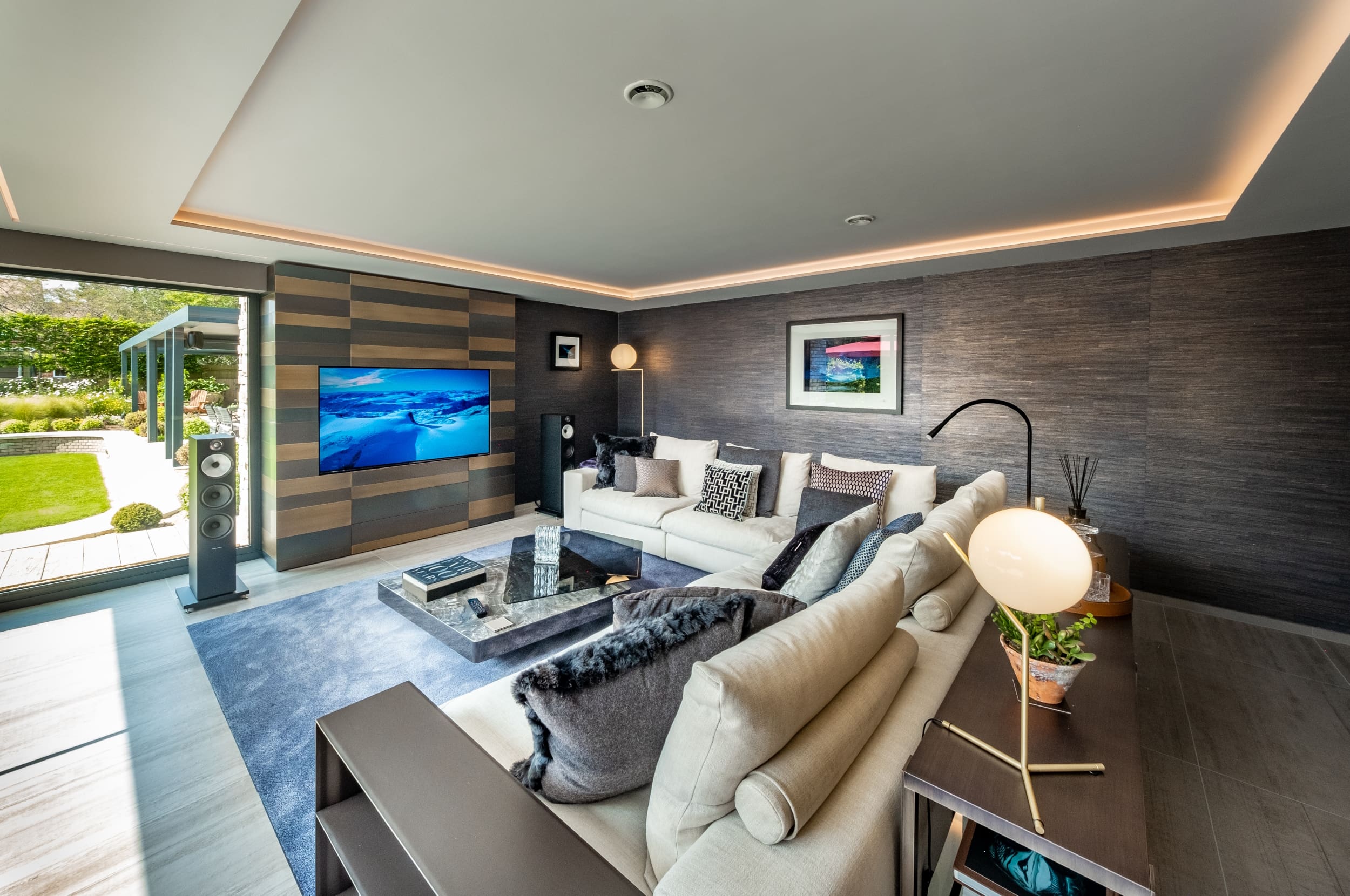
LIGHT IS AN ARCHITECTURAL LAYER, PLANNED AS PART OF THE SET OUT
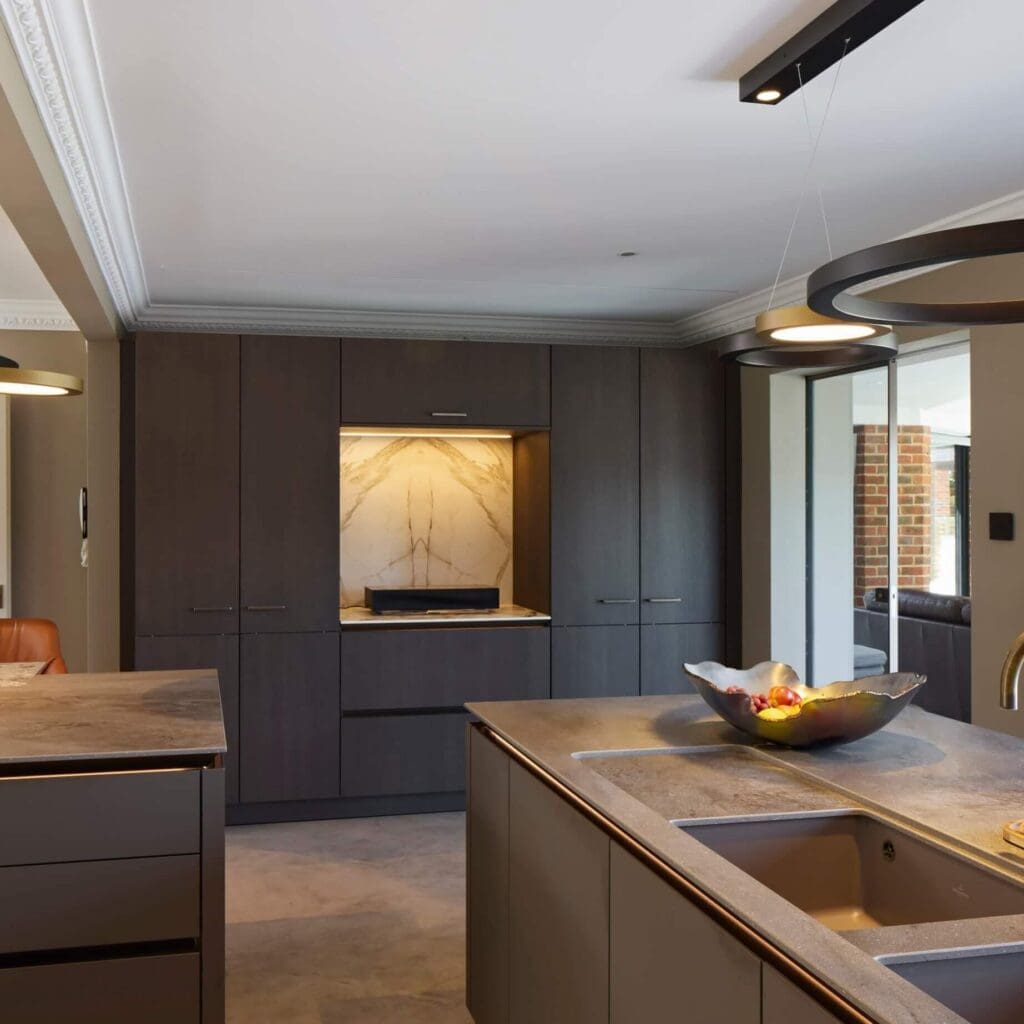
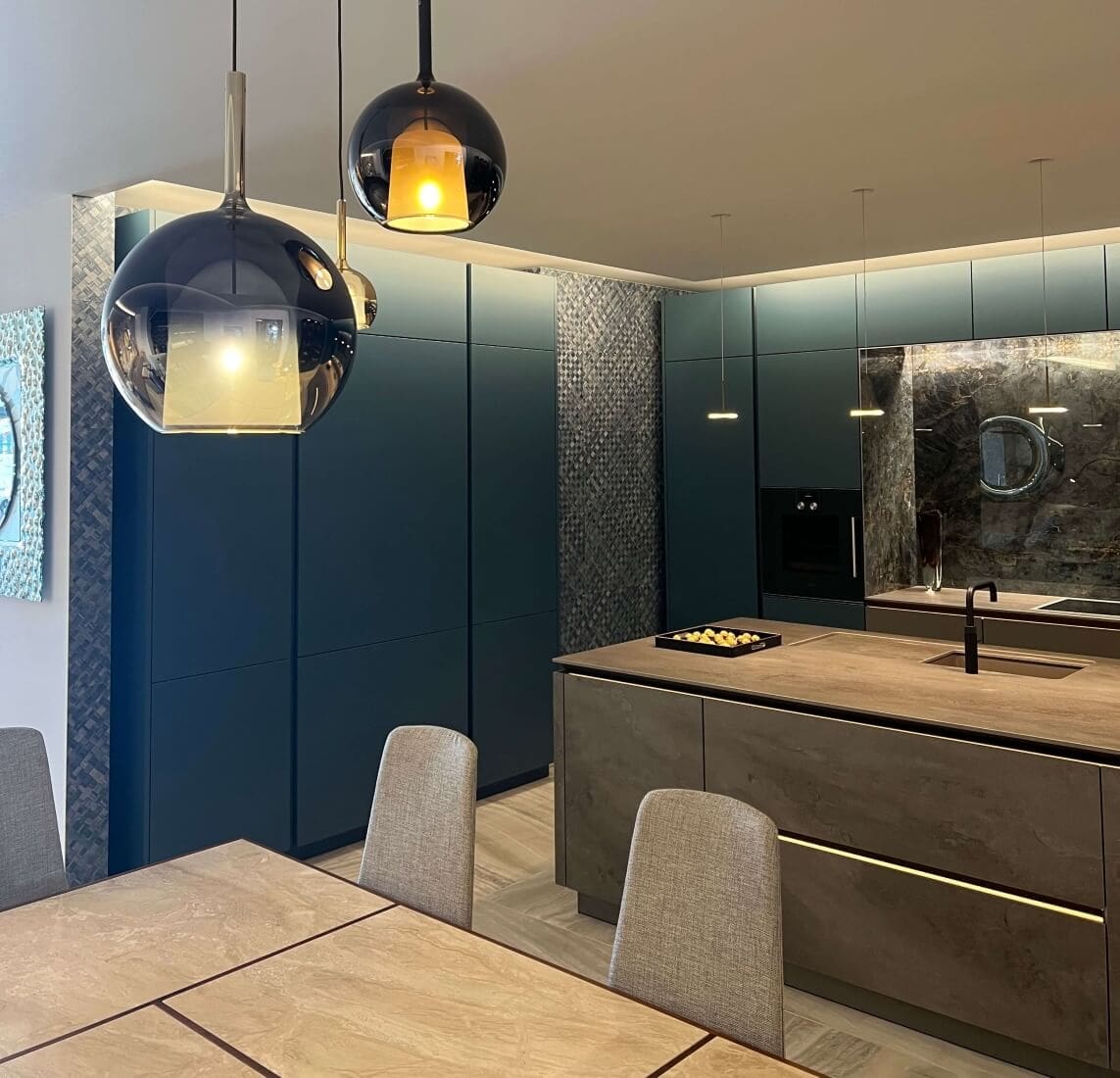
Lighting works best when it is set out as part of the architecture. Ambient light establishes the room’s baseline calm. Task light supports prep, reading and grooming zones. Accent light gives material depth at shelves, niches and artwork walls, and switching scenes carry the home through morning, daytime and evening routines.
Plaster-in profiles and recessed linear details strengthen geometry by making light follow the same organising lines as the joinery and ceilings. Glare control is resolved through beam angles, diffuser choices and material reflectivity, so the home stays comfortable while finishes read accurately.
INTERIOR ARCHITECTURE COORDINATES PRODUCTS AND SYSTEMS INTO ONE SCHEME
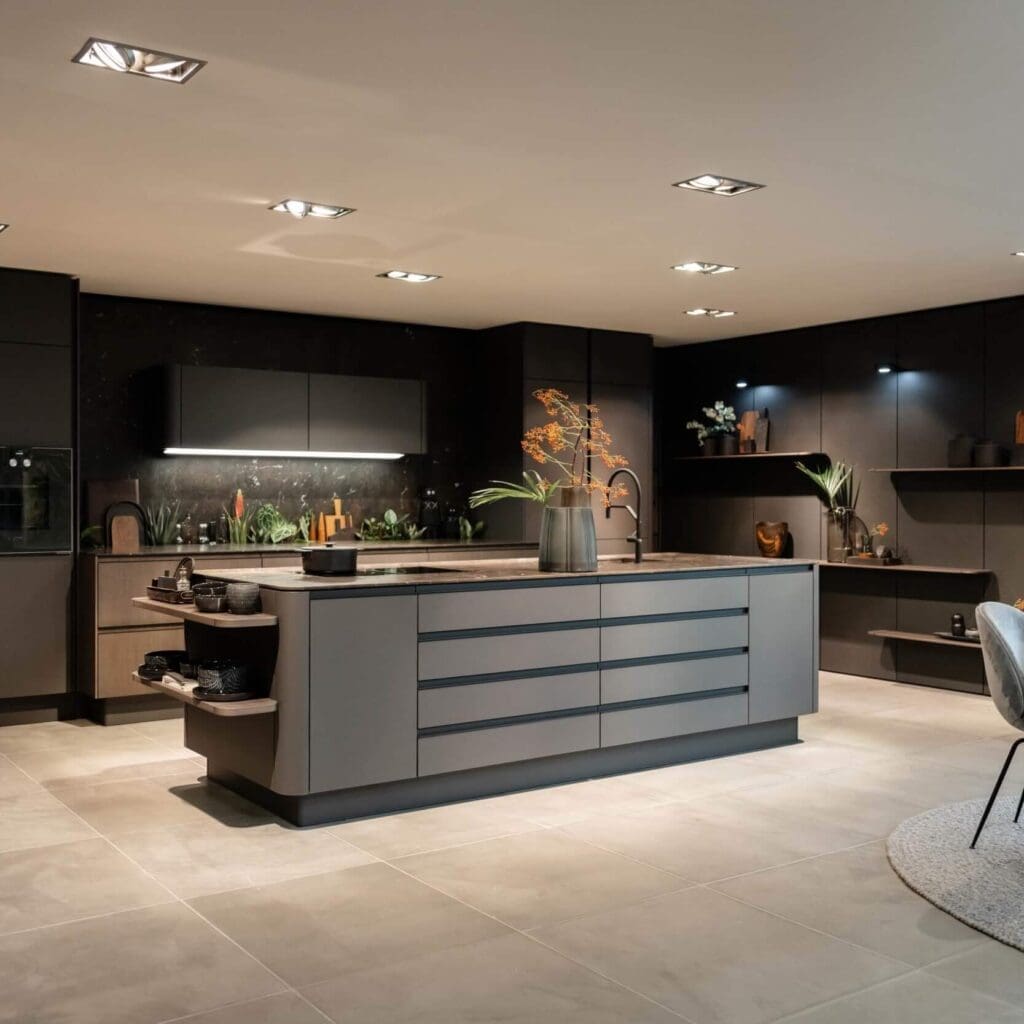
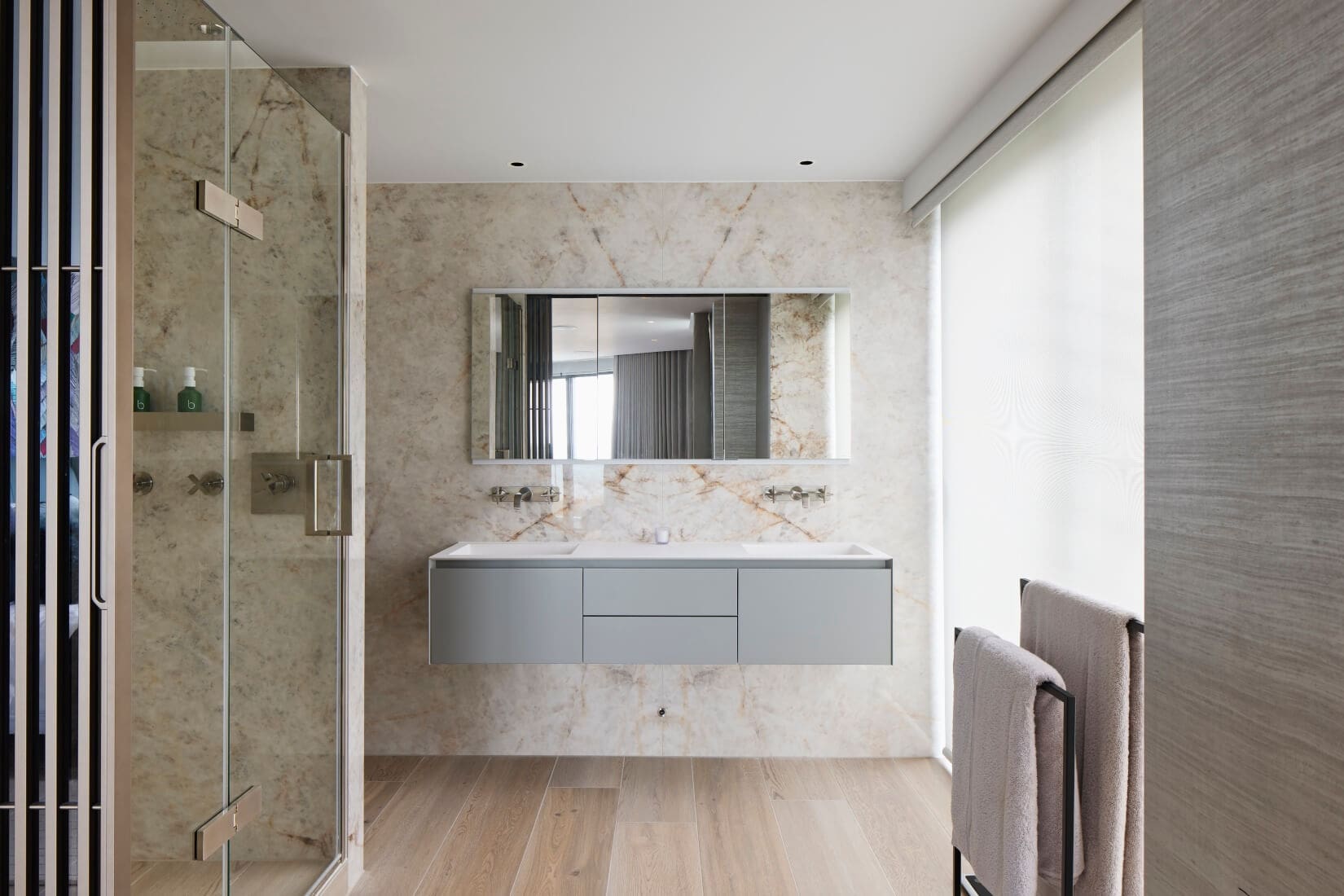
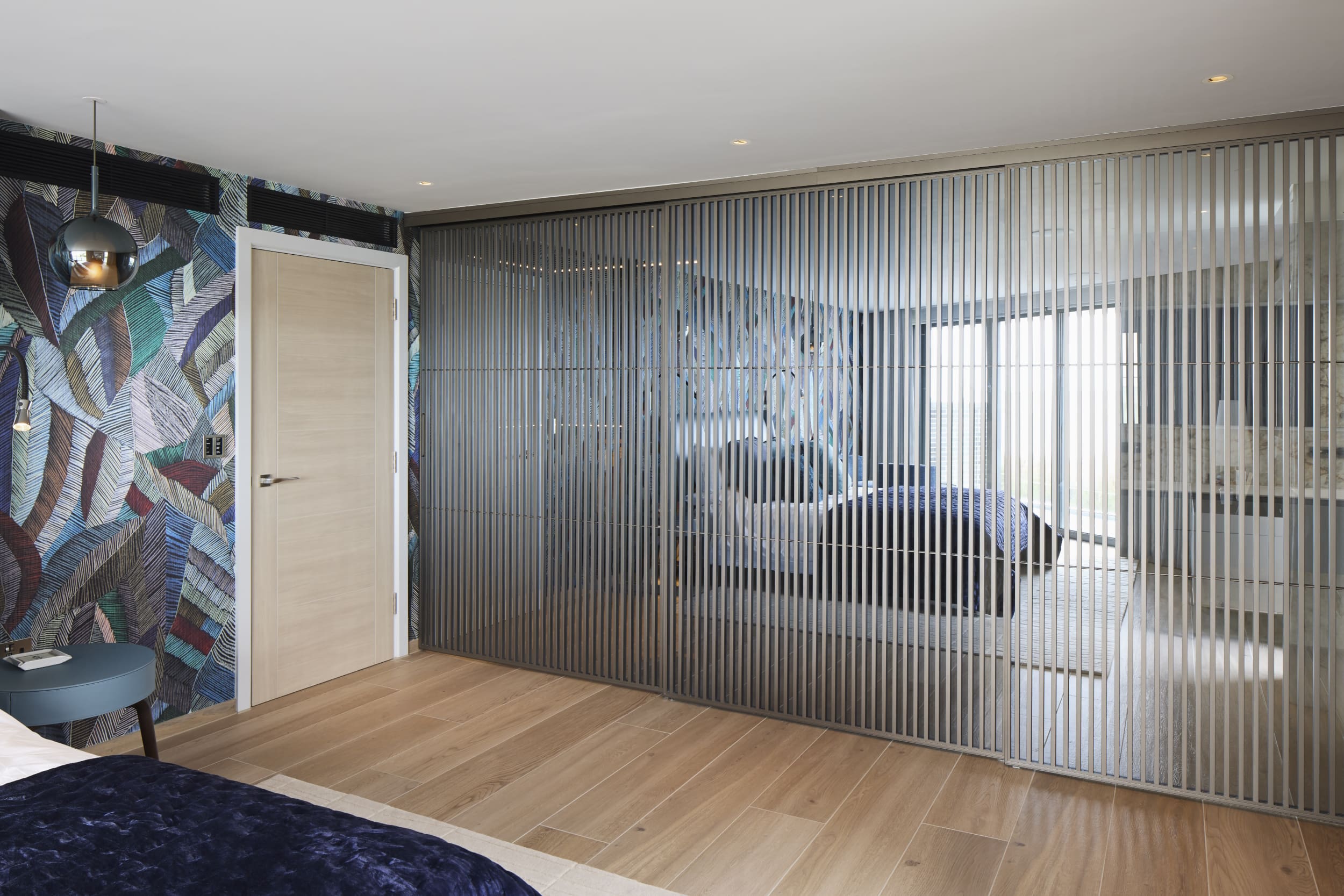
Interior architecture becomes tangible through the systems that move, conceal, store, ventilate and light the home. Sliding screens and glazed partitions allow open-plan homes to shift between shared living and quieter zones while maintaining continuity of light. Concealed sanitary systems keep bathroom layouts visually settled while supporting maintenance access. Joinery-integrated storage reduces visual noise because everyday items sit within defined volumes, and the room returns to a composed state after use.
The coordination work holds these systems together: service routes align to the plan, ventilation allowances are set early, access panels sit within joinery lines, and installation tolerances are checked so the finished room feels inevitable rather than assembled.
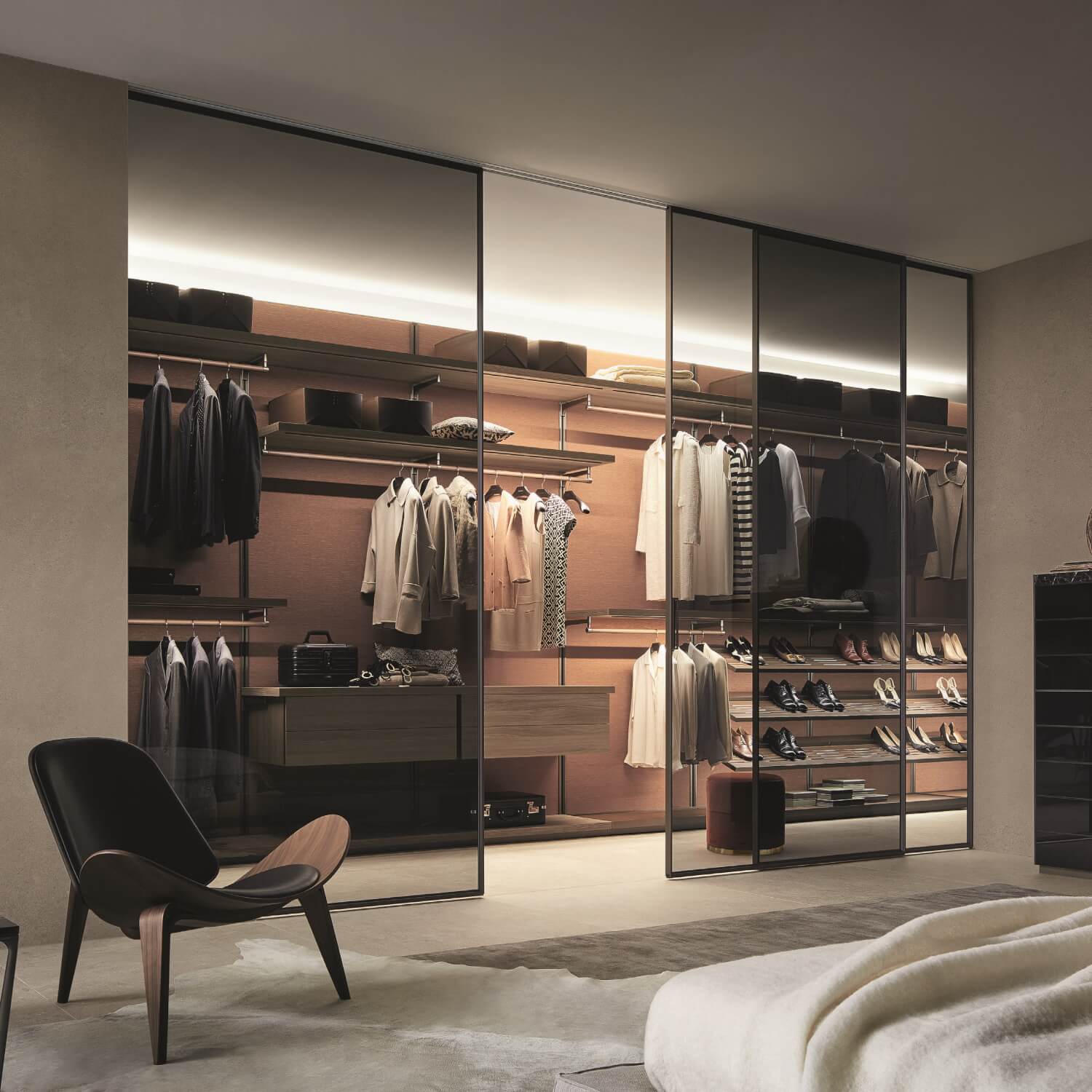
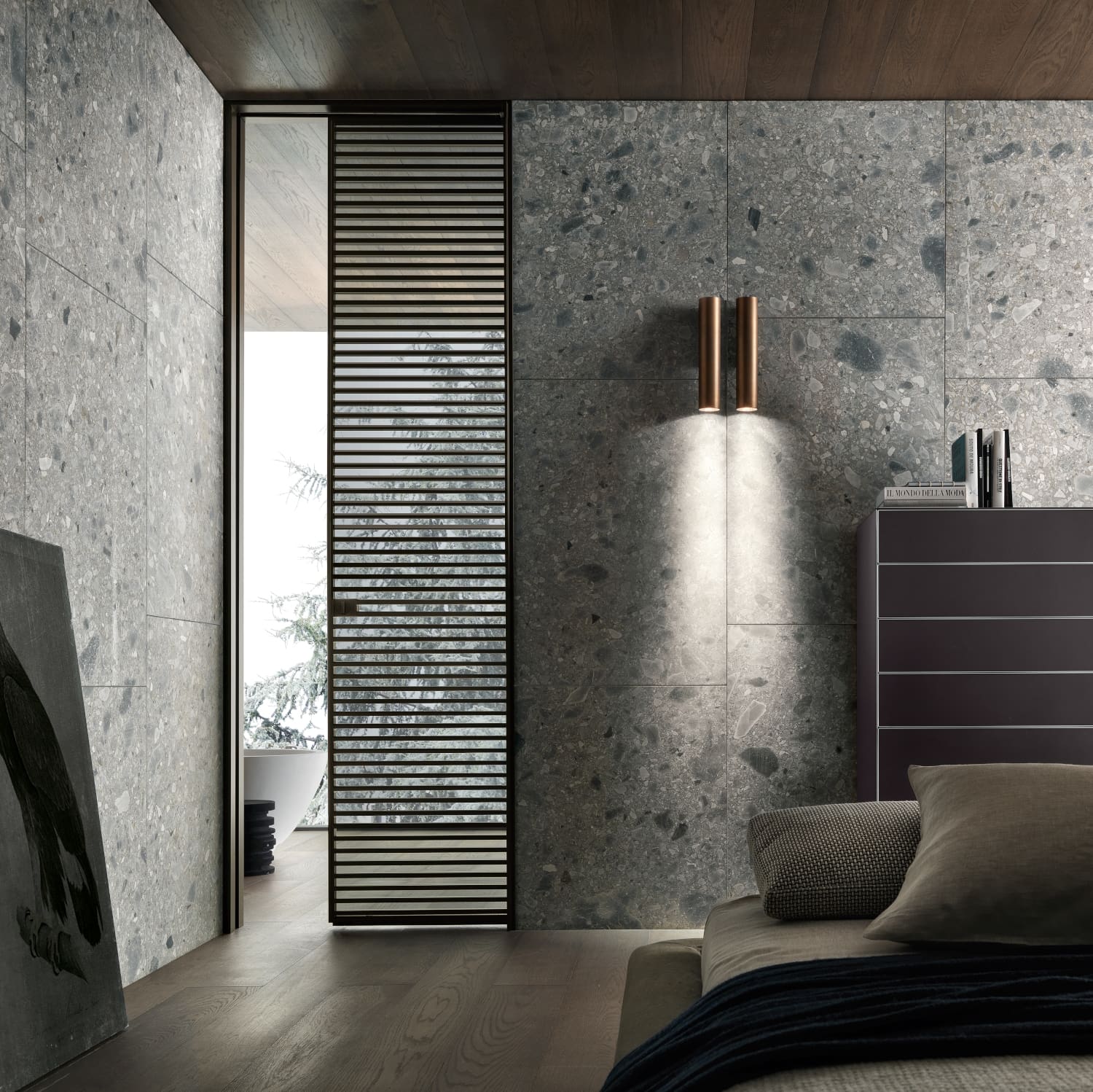
Interior architecture makes a home feel settled because planning intent is carried through to detail, coordination and installation. Proportion and circulation shape the plan; junctions, lighting and services carry that order through daily use; the finished space then supports life quietly and reliably over time.
This approach sits within Dream Design’s interior architectural design service, where spatial planning, detailing and delivery are held as one coherent system.