

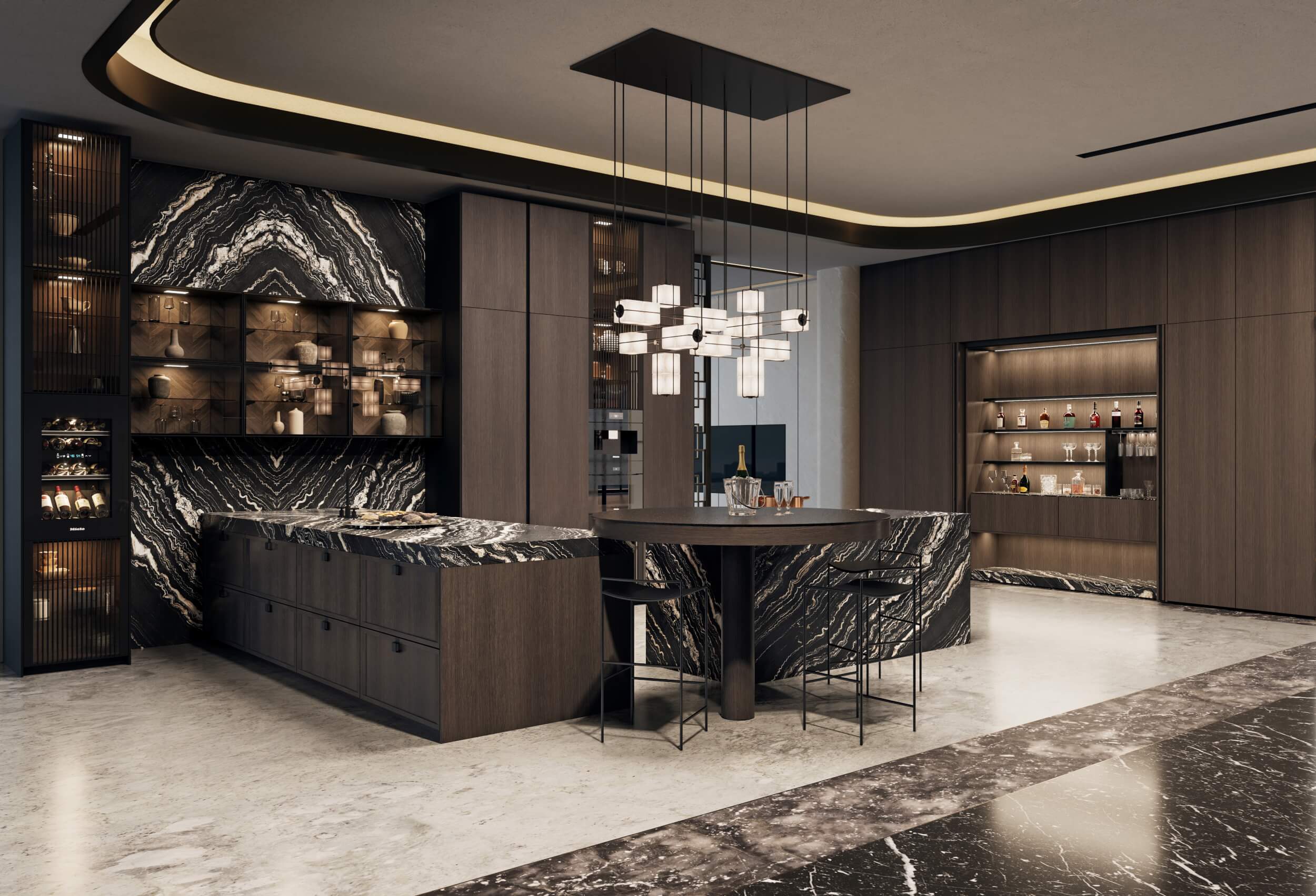
GERMAN-MADE KITCHENS: WHAT HOLDS UP OVER TIME
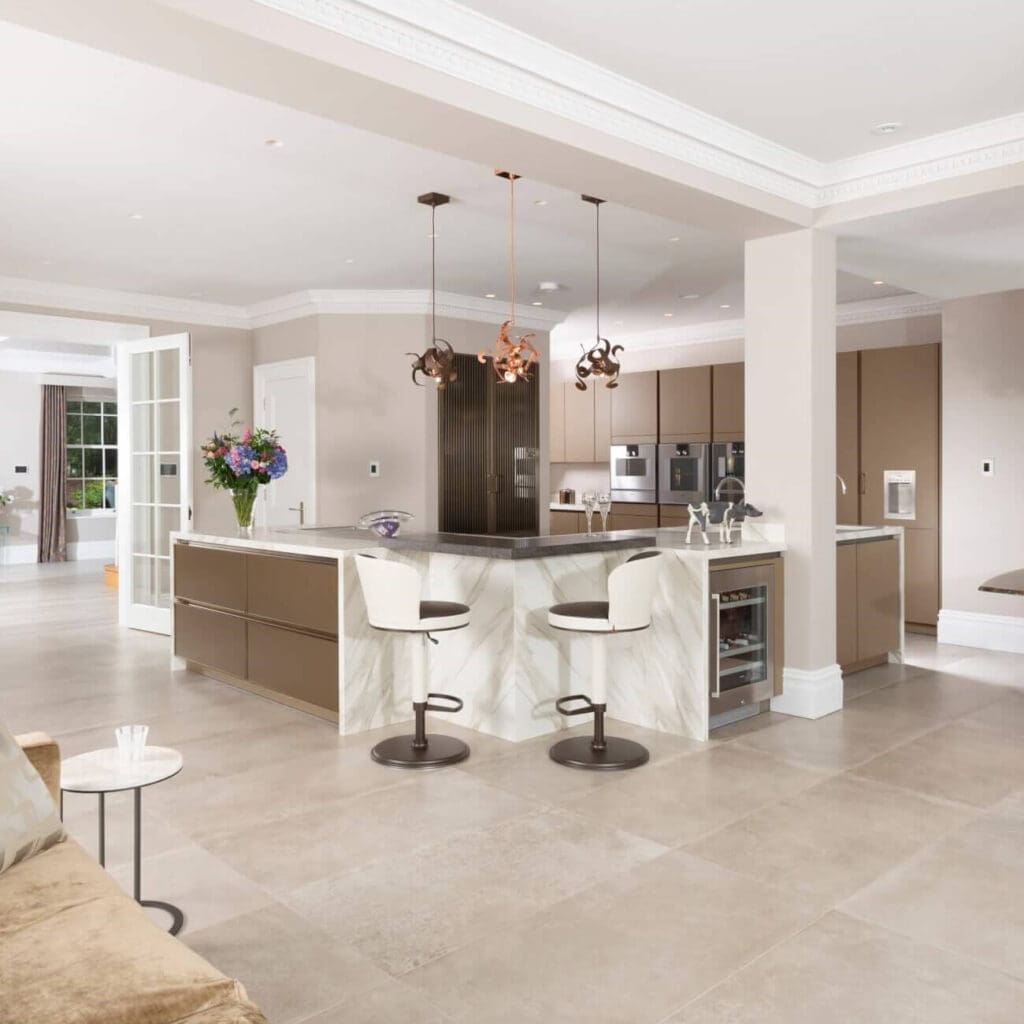
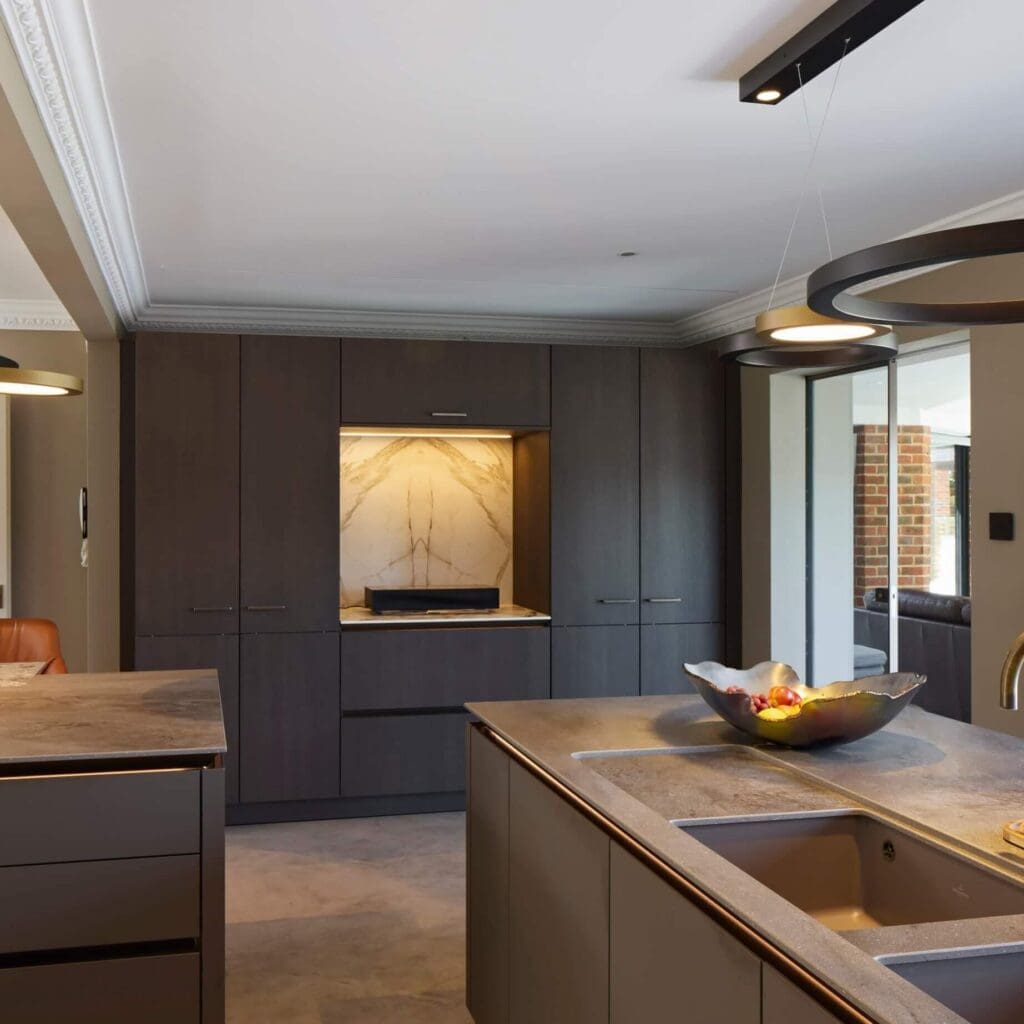
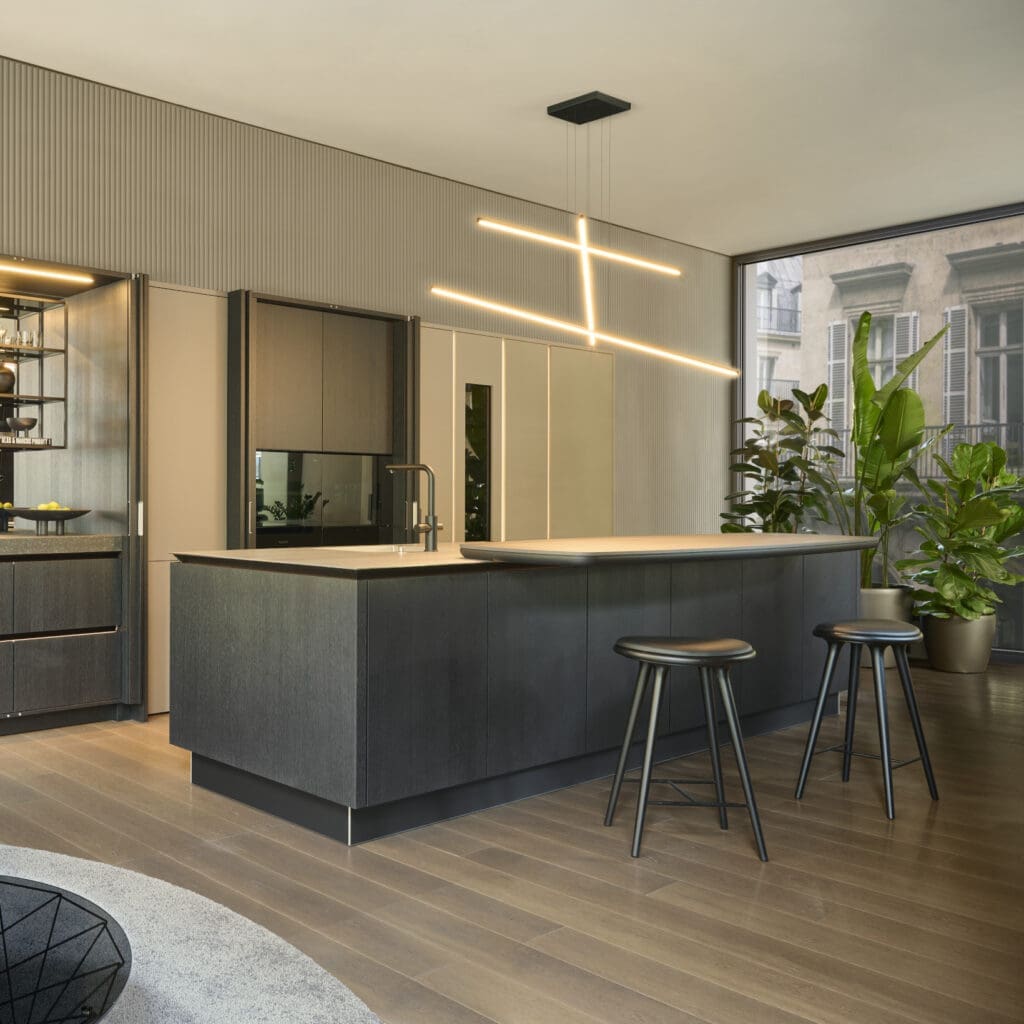
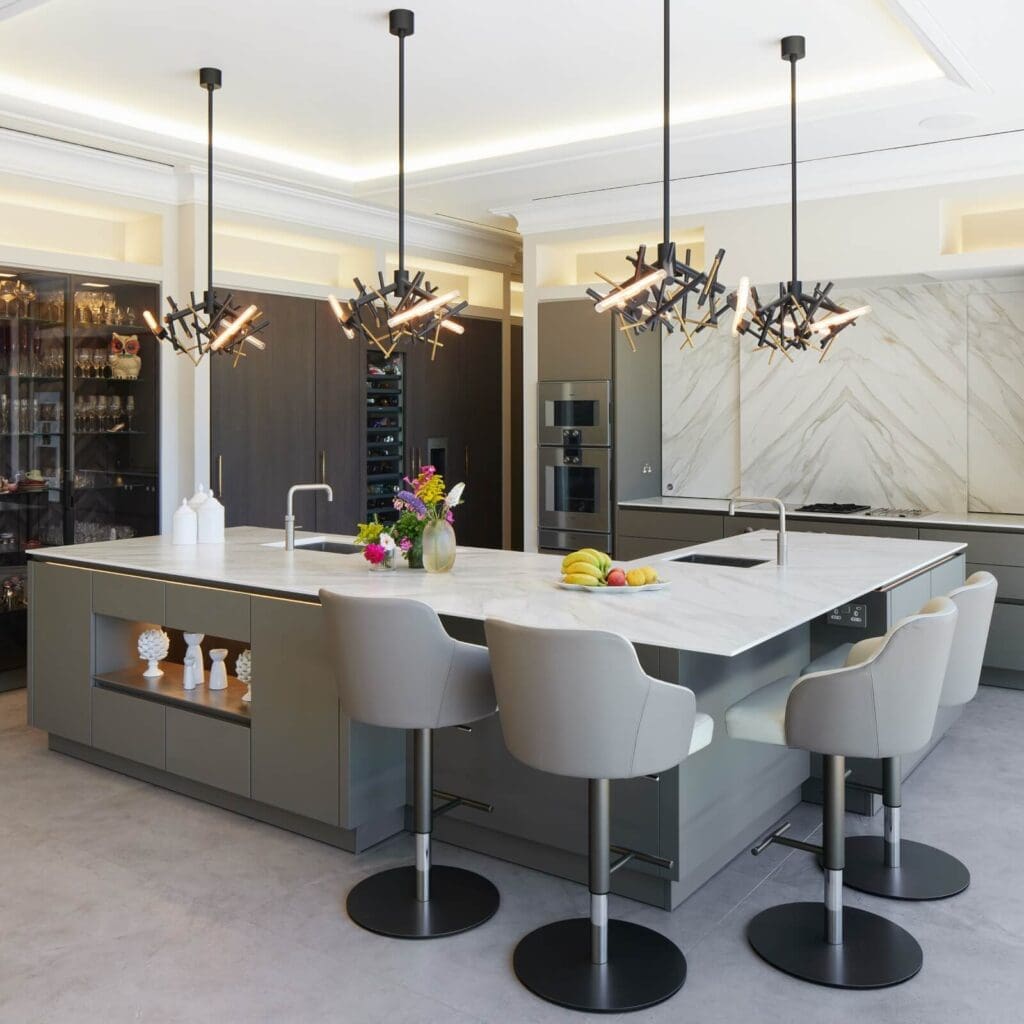
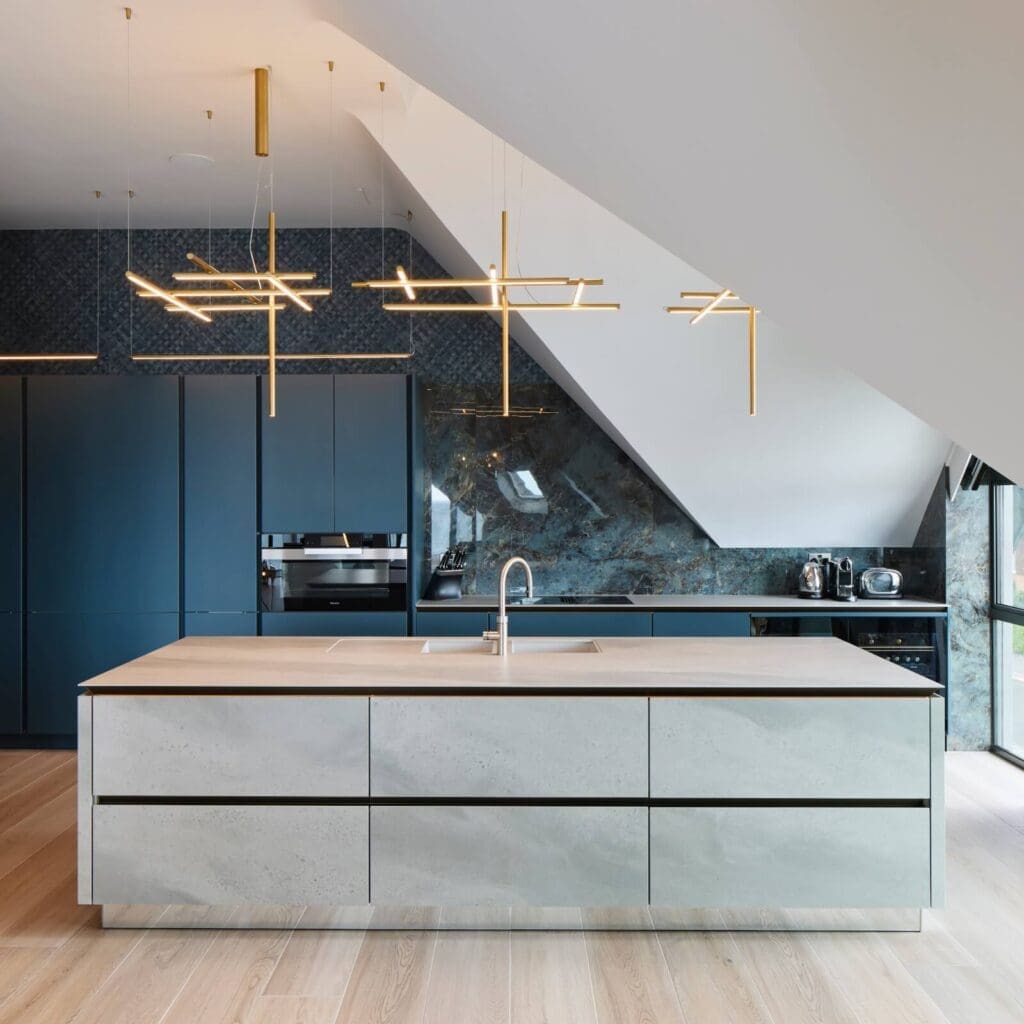
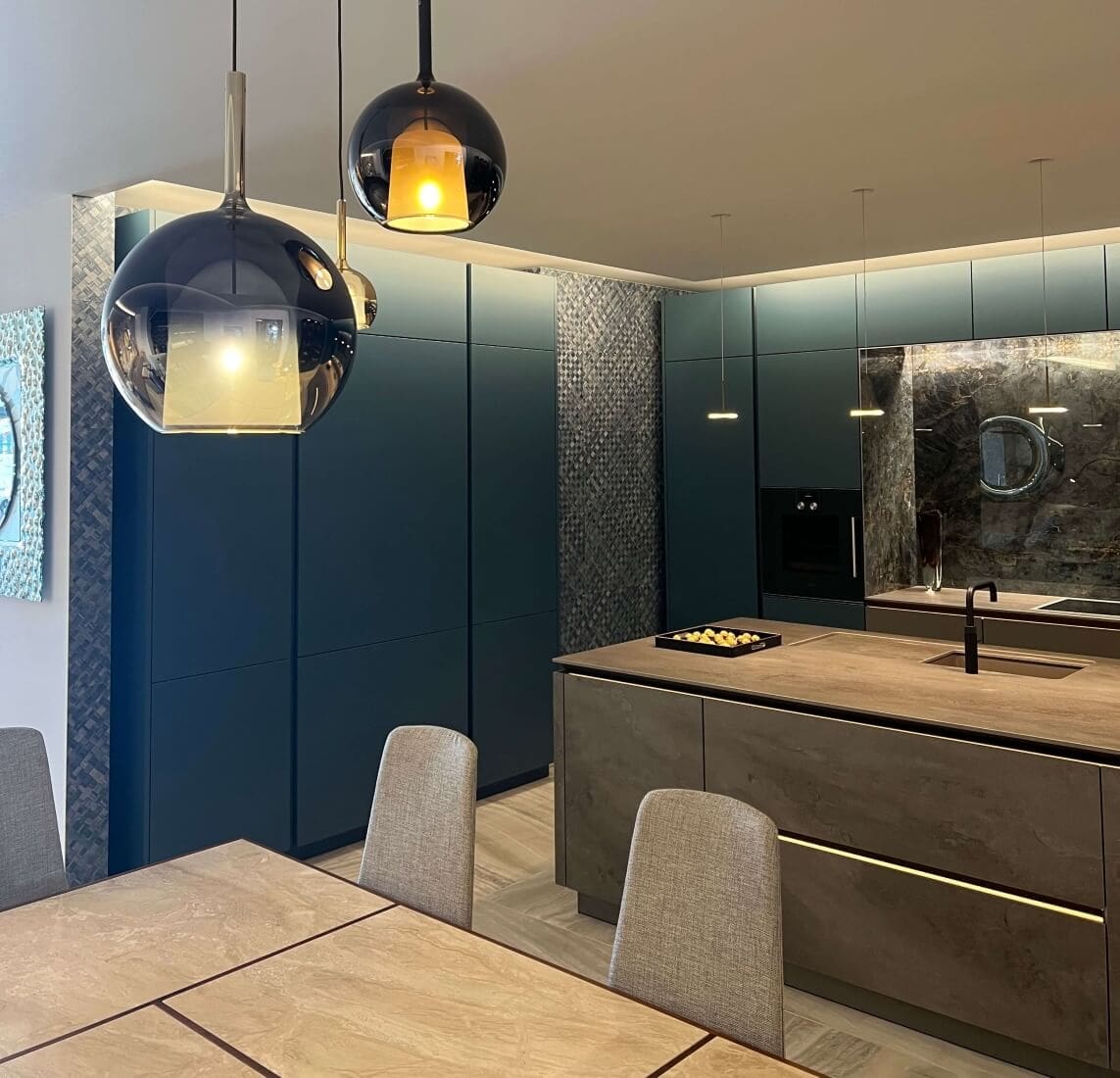
German-made kitchens are often specified when the brief requires tight set-outs, durable components and joinery lines that stay consistent through heavy daily use. The planning still decides the outcome: cabinet lines align to thresholds and appliances, clearances are fixed around working runs, and storage volumes are mapped to routine so the kitchen performs as well as it reads.
Long-term quality is a compound result. Carcass stability, edge discipline, hardware behaviour, moisture management and installation tolerances each carry the set-out forward from drawings to site, and the room holds steady across years of cooking, clearing and hosting.

SUBSTANCE CARRIED THROUGH THE SET-OUT
A kitchen holds performance over time when specification and set-out carry the same intent. Reveals remain consistent, drawers run true and edges stay stable at the interfaces that take the most use, keeping the room legible through daily routines.
Function is protected early by planning for real movement: door swings and drawer opens coordinated with circulation, working runs dimensioned for simultaneous use, and service routes planned so the joinery line remains consistent at handover.


HARDWARE BEHAVIOUR IS THE DAILY TEST
Hardware carries most of the repeated motion in a kitchen. Hinges, runners and lift systems are selected for predictable movement, stable alignment and adjustment ranges that support long-term use.
When components are matched to door size, weight and finish, the kitchen gains quiet reliability. Soft-close behaviour remains controlled under load, and alignment stays stable through repeated cycles—a practical outcome that matters more than any single material choice.
Where system logic and component tolerances are central to the brief, German kitchens are often specified through established partners such as SieMatic, aligning the room’s detailing discipline to a known engineering approach.
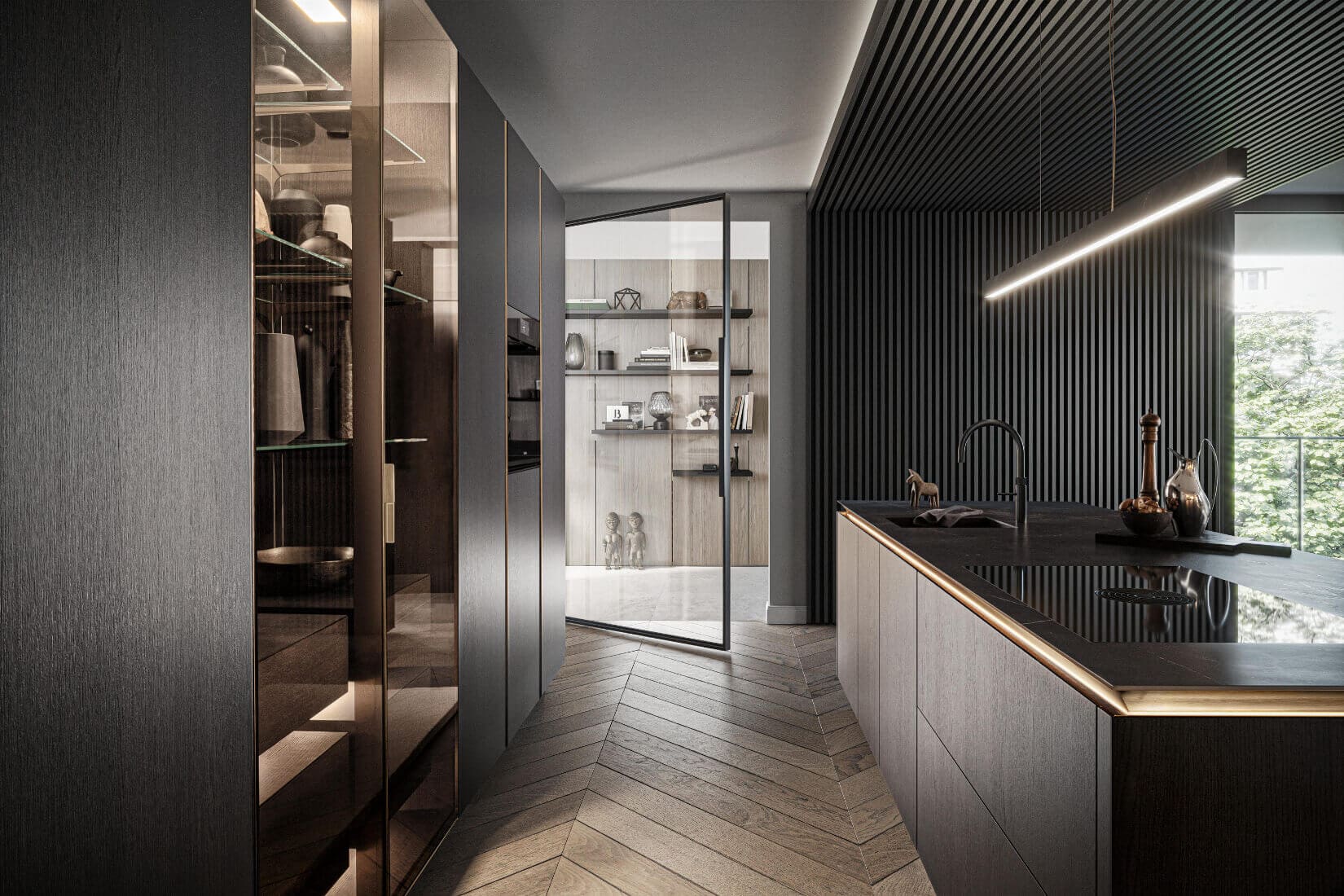
MOISTURE MANAGEMENT AND EDGE DISCIPLINE PROTECT THE JOINERY
Moisture is one of the main forces acting on a kitchen. Longevity is supported by stable carcass construction, sealed edges at high-risk interfaces, and ventilation strategy planned into the joinery so humid air and heat are managed rather than ignored.
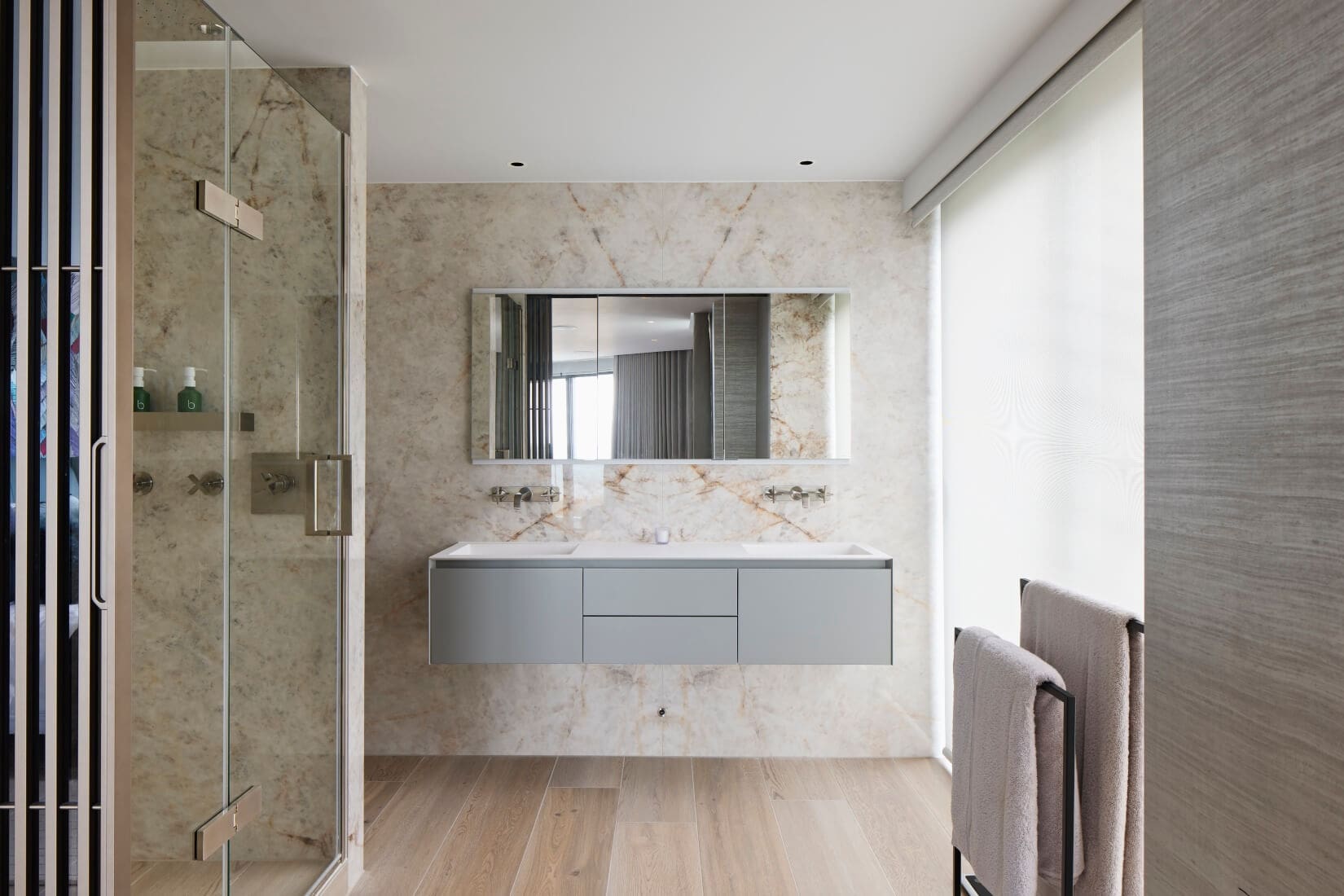
Edge profiles and junction detailing matter most at sinks, dishwashers and near ovens. When those interfaces are drawn as geometry—not left to site improvisation—the elevation keeps its order as materials expand, contract and take wear.
INSTALLATION TOLERANCES CARRY ENGINEERING INTO THE ROOM
A German-made kitchen performs at its best when installation tolerances match the precision of the components. The set-out is issued as a controlled drawing package, service routes are coordinated with builder and trades, and junction details are locked before manufacture so tolerances remain stable at installation.
Site checks verify cabinet lines, plinth heights, worktop junctions and lighting set-outs so the finished room reflects the planned geometry. This is where “kitchen design and installation” becomes one joined process rather than two separate stages: design intent is protected by how it is delivered on site.
That delivery discipline overlaps directly with kitchen renovation planning, where coordination and verification protect the result through the highest-risk interfaces.
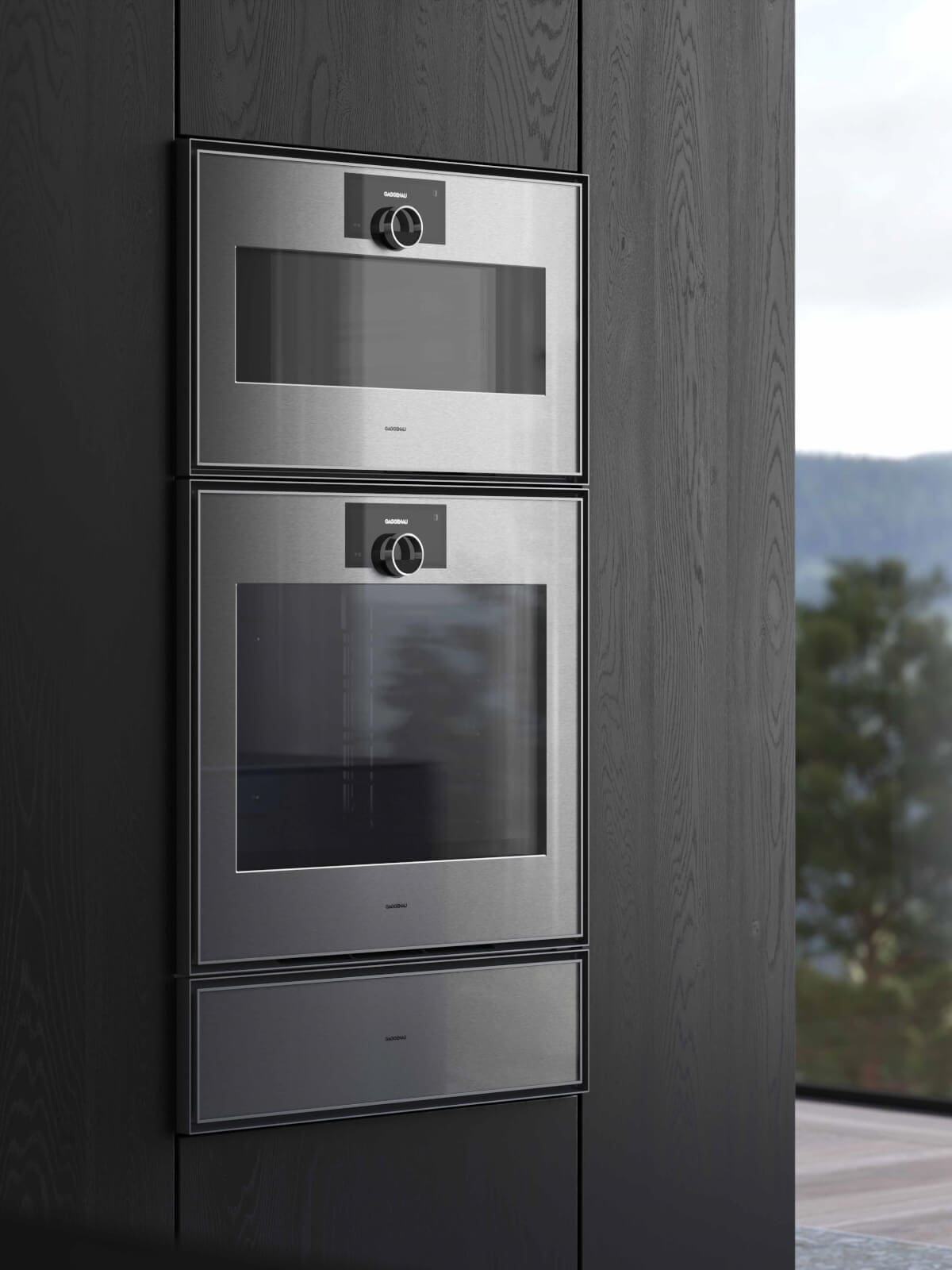
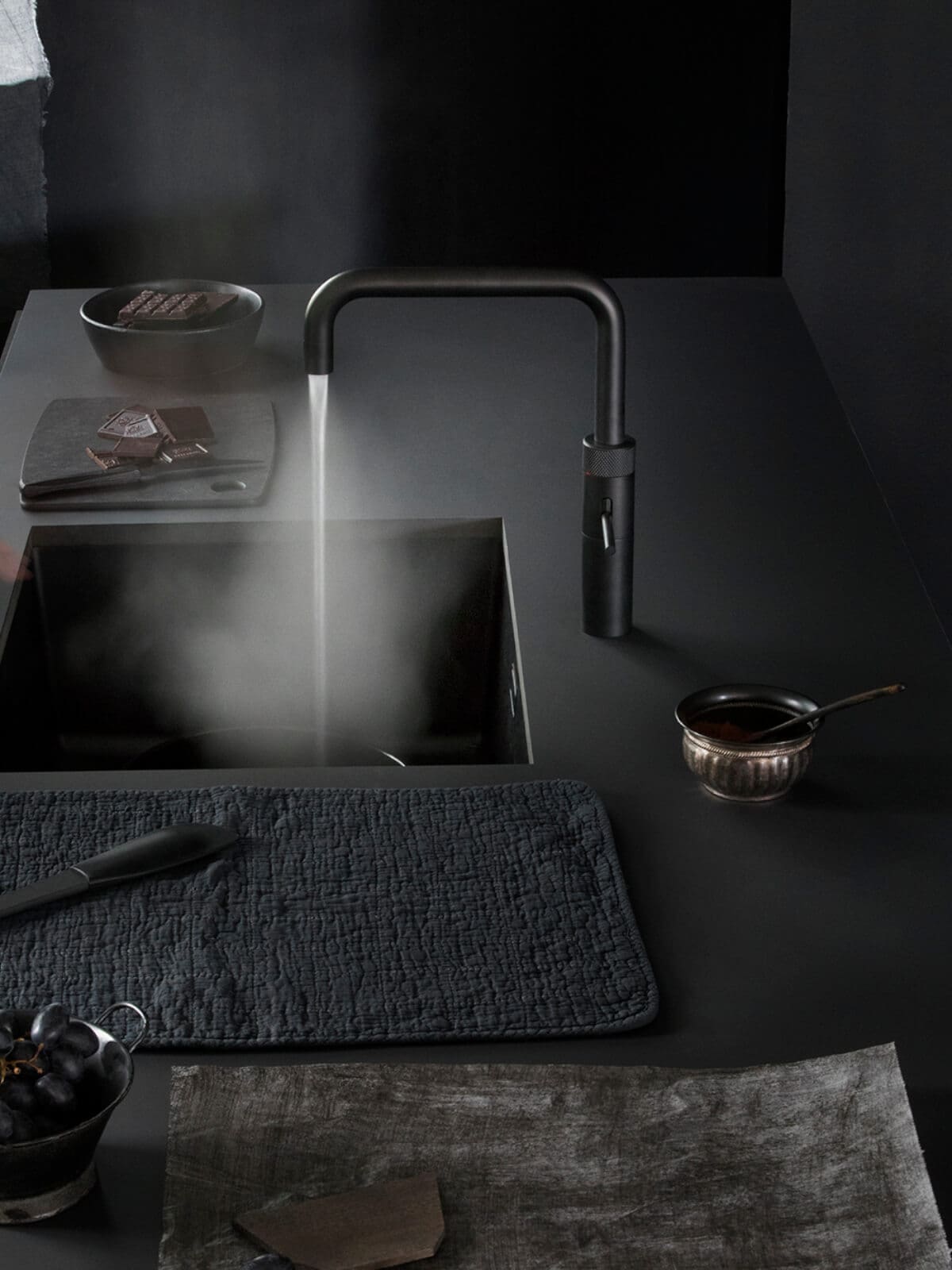
PRACTICAL VERIFICATIONS
- Specify hardware against door weight and expected daily use, then detail for stable adjustment access.
- Coordinate moisture-risk junctions first: sink edges, dishwasher interfaces, oven zones and end returns.
- Plan ventilation routes and service access against the cabinet grid so maintenance stays workable after handover.
- Issue a controlled drawing package, then verify key datums on site before final fixing.
- Hold lighting set-out to the same organising geometry so the room remains legible day to night.
Within luxury kitchen design, the advantage is earned when planning discipline and installation tolerances match the system’s precision—so the kitchen stays calm because alignment, behaviour and clarity hold over time.