

How Boiserie Wall Panelling Is Shaping Contemporary Interiors
Once considered the hallmark of classical European interiors, boiserie wall panelling has evolved into one of the clearest tools in contemporary interior architecture. In current projects, it operates as a modular wall plane: a set-out grid that aligns doors, storage, display and lighting so the room reads with flow, clarity and considered detail in daily use. When the junction lines are carried through consistently, the wall holds proportion and function without visual noise.
At Dream Design, we see boiserie used as a defining architectural layer across private-residential work, from houses to apartments, because it lets us coordinate multiple functions on one datum. Where a modular system suits the brief, Rimadesio’s Modulor is one route we have specified to maintain alignment, integrate doors and cabinetry, and keep the wall plane legible as the room changes use across the day.
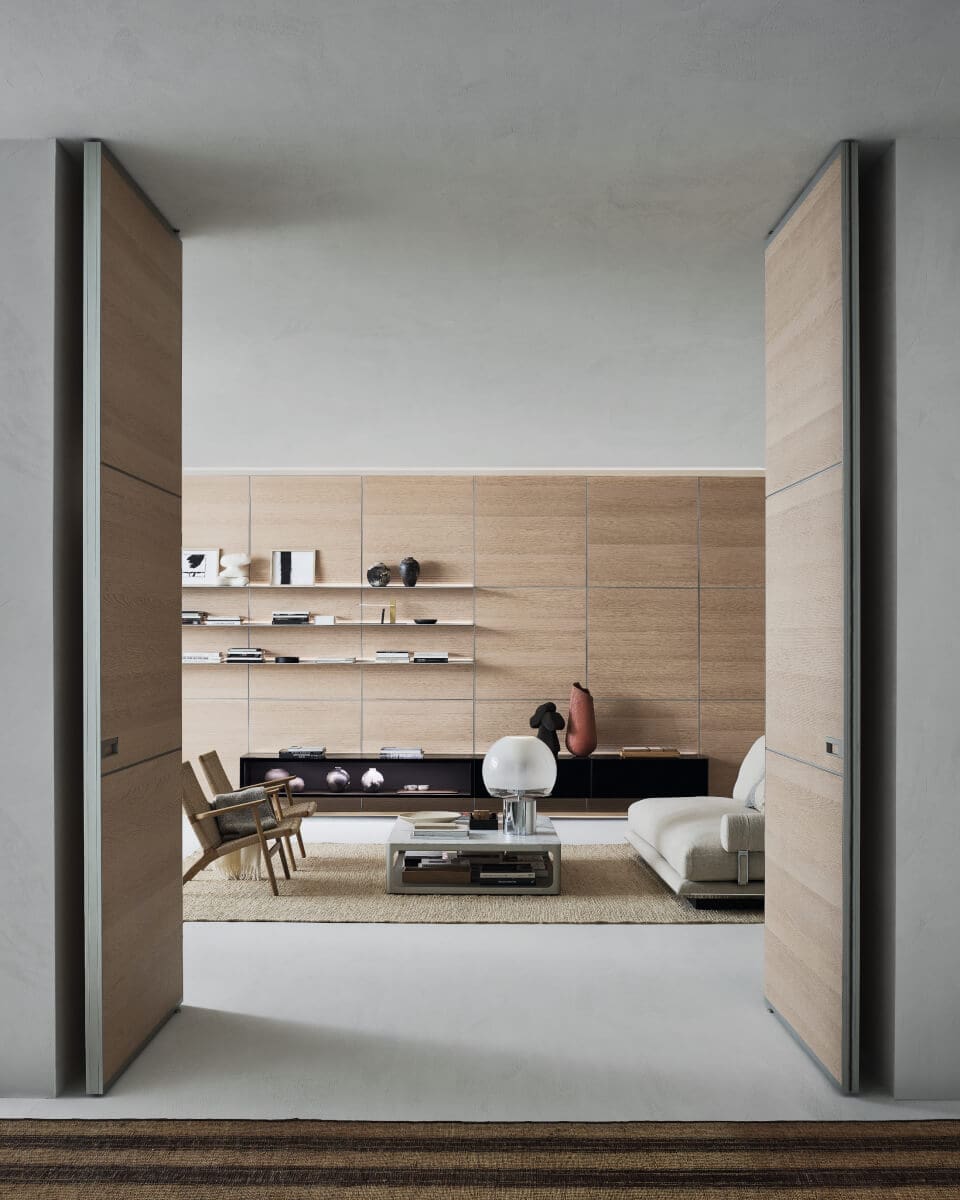
Boiserie succeeds when it is planned early as part of the interior architecture. We align the panel grid to thresholds and primary sightlines, reserve service zones for wiring and fixings, and detail corners and end returns so the installation lands cleanly on site. That discipline turns one surface into multiple working elements: concealed access where required, ordered storage volumes, display positions that sit on the grid, and lighting layers integrated to support both task and rest.
FROM ORNAMENT TO ARCHITECTURE
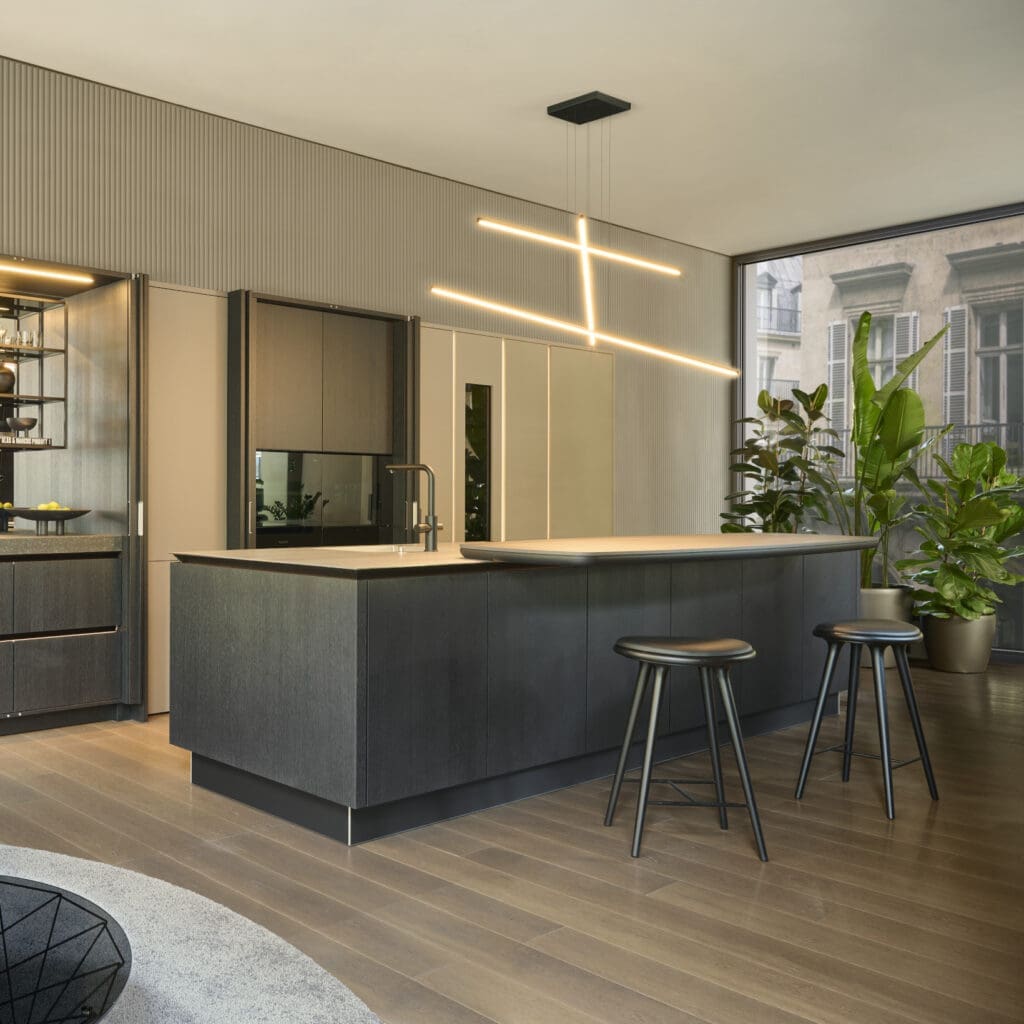
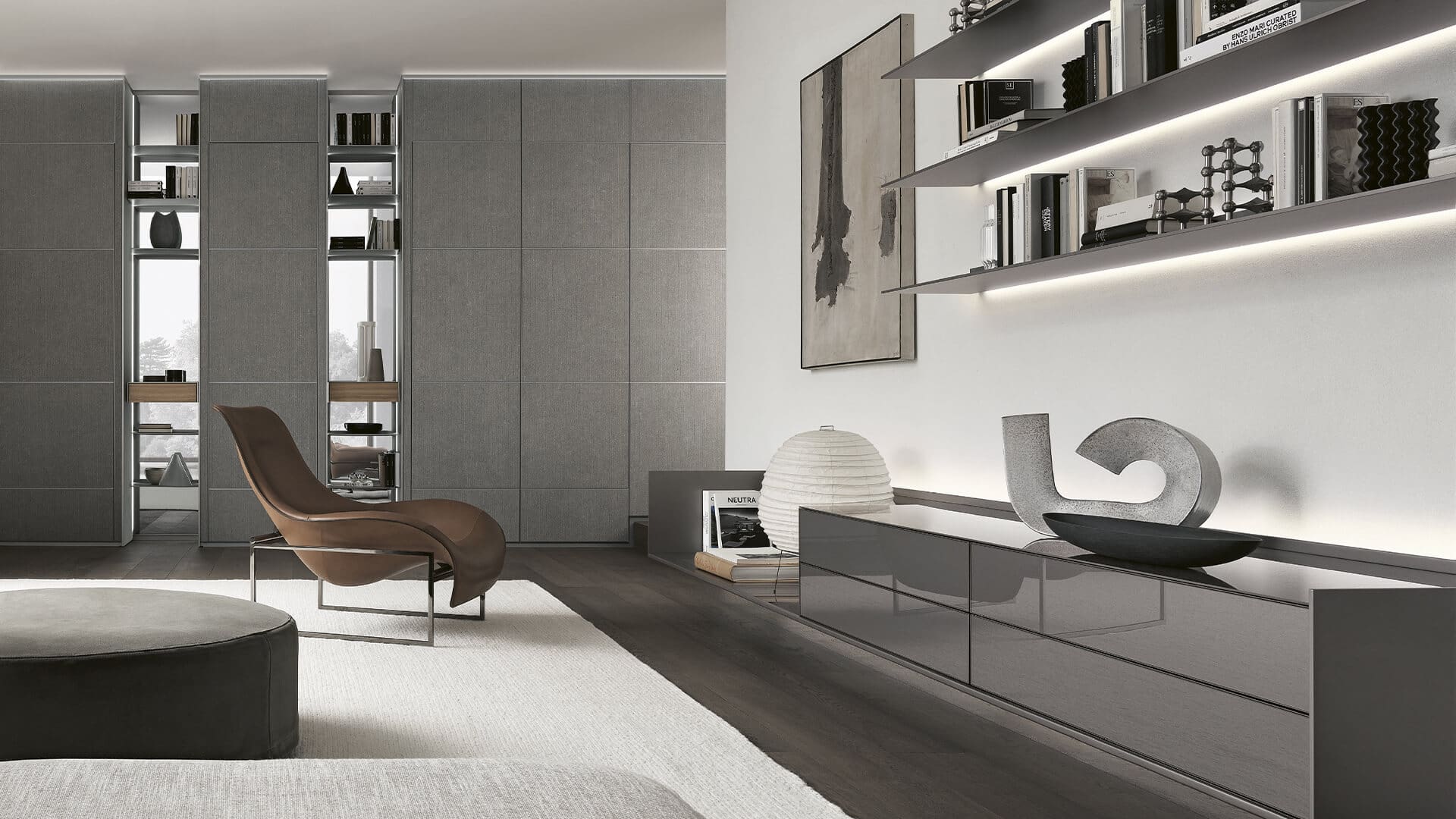
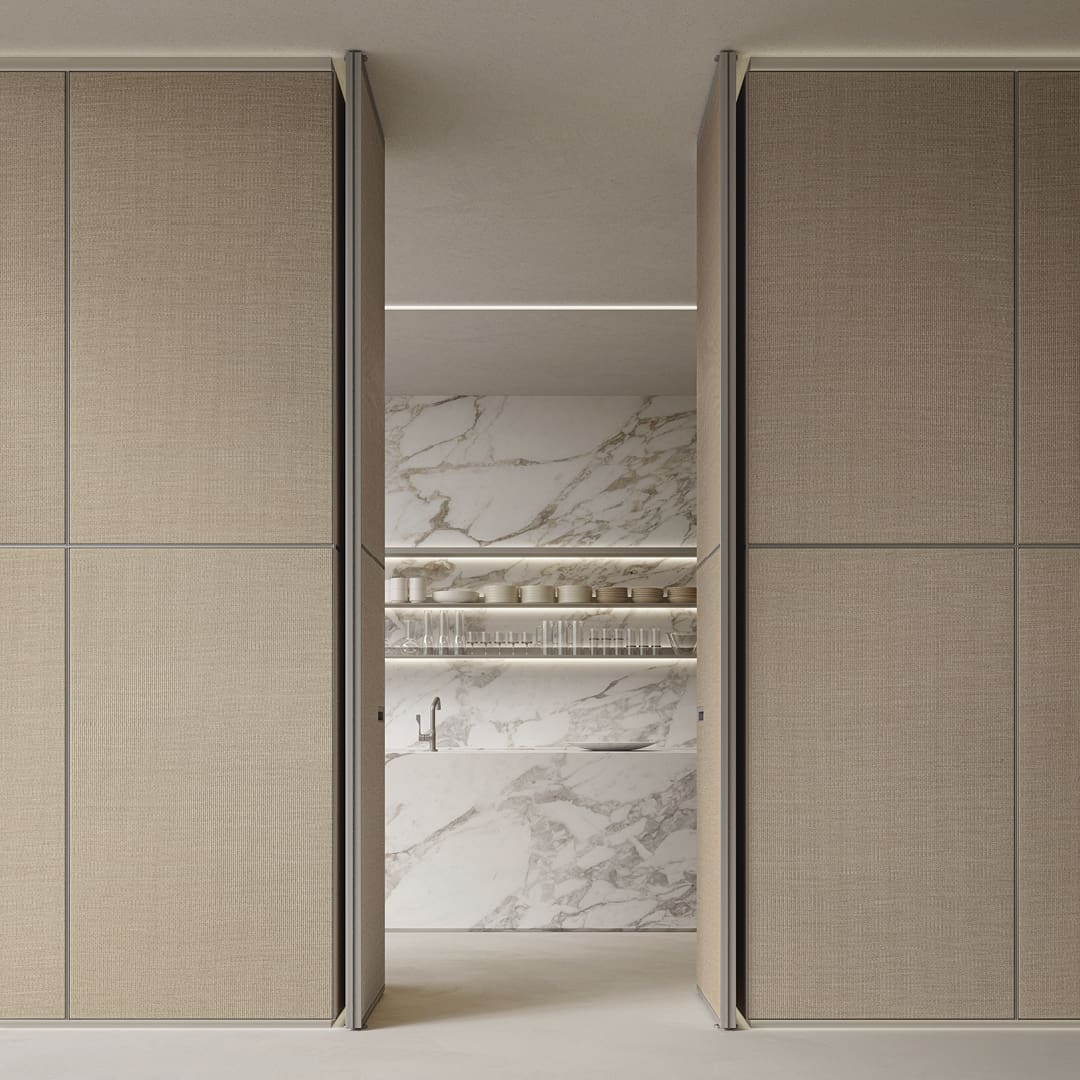
Boiserie has moved beyond decoration and into architectural function. As a continuous surface, it can conceal doors, integrate wardrobes, host shelving, frame lighting, and define living zones, with the panel grid setting a calm rhythm through proportion and alignment. The wall plane carries cohesion across materials and keeps circulation and use-cases organised without needing visual interruption.
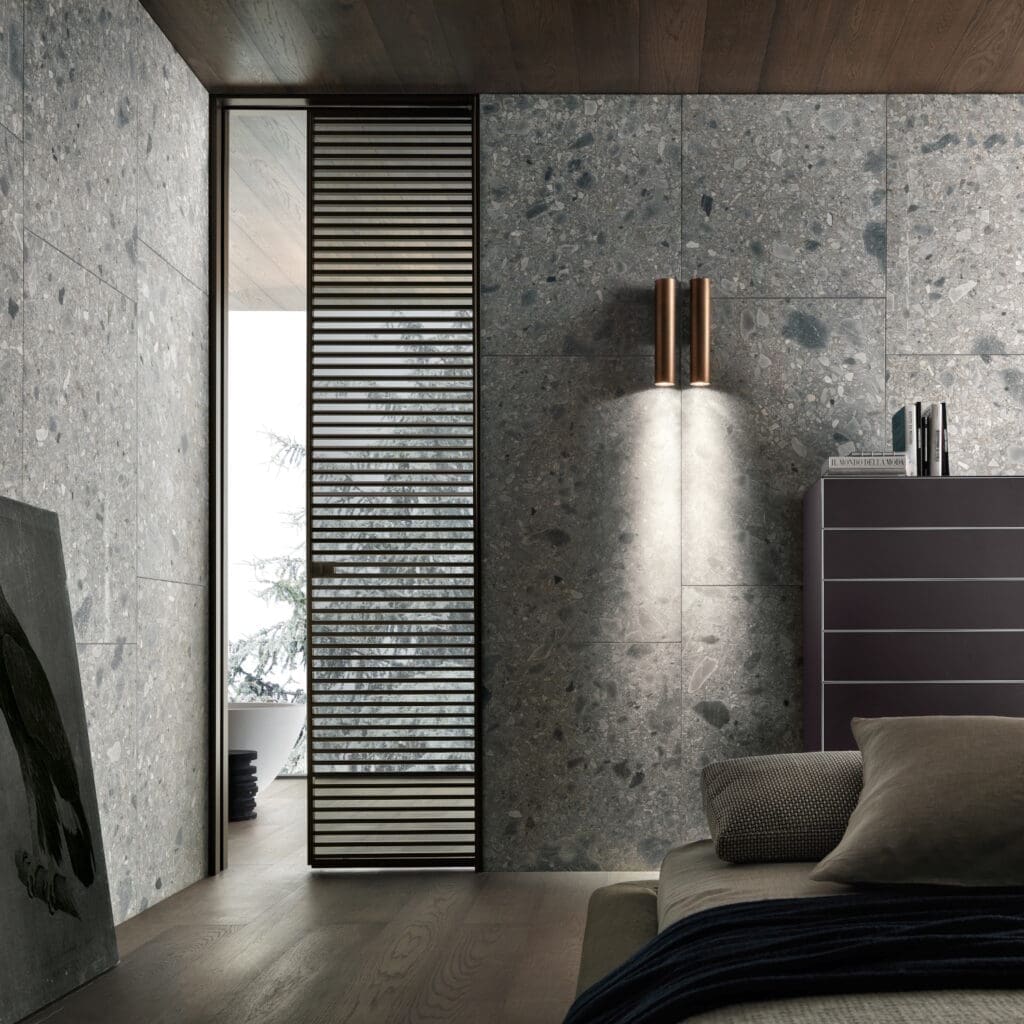
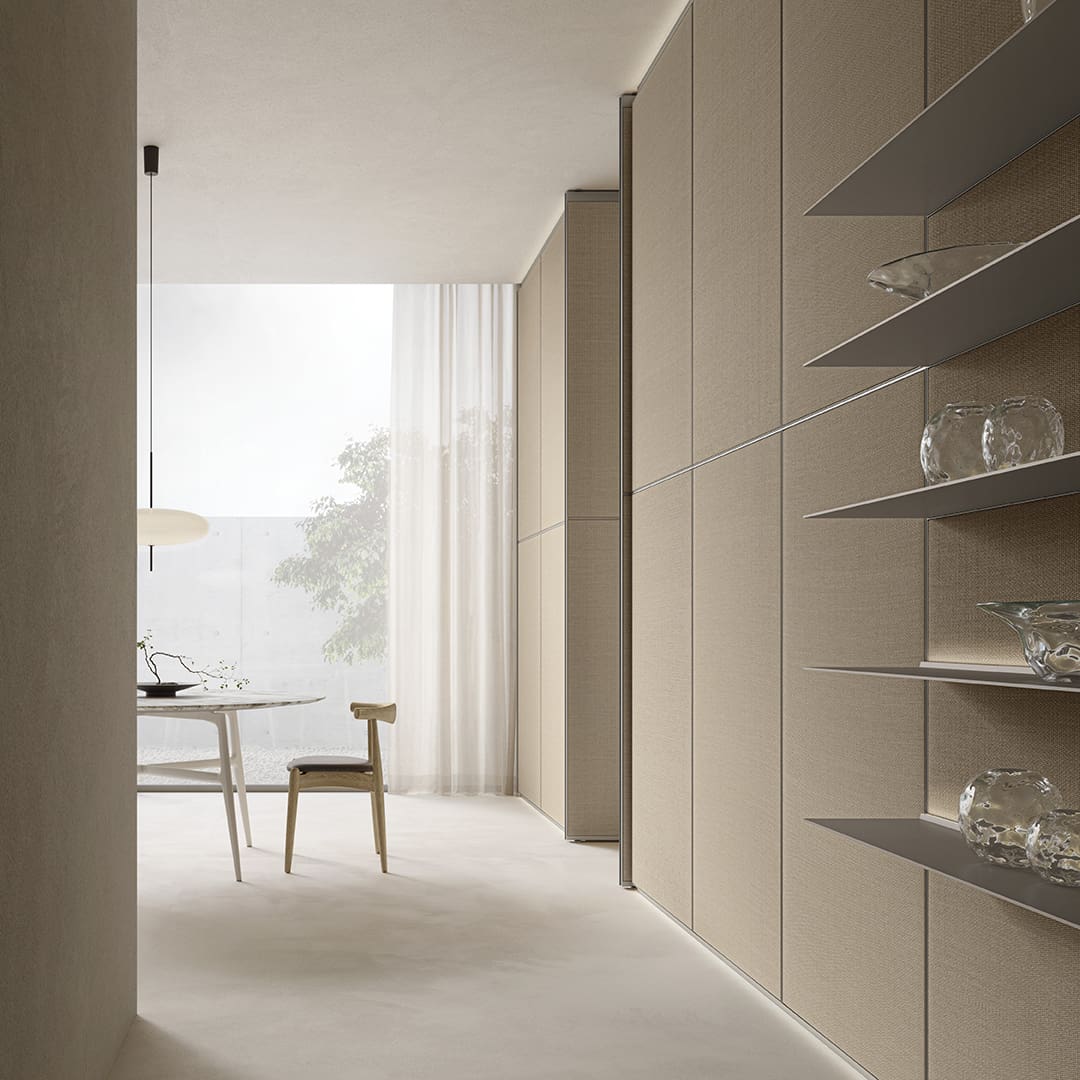
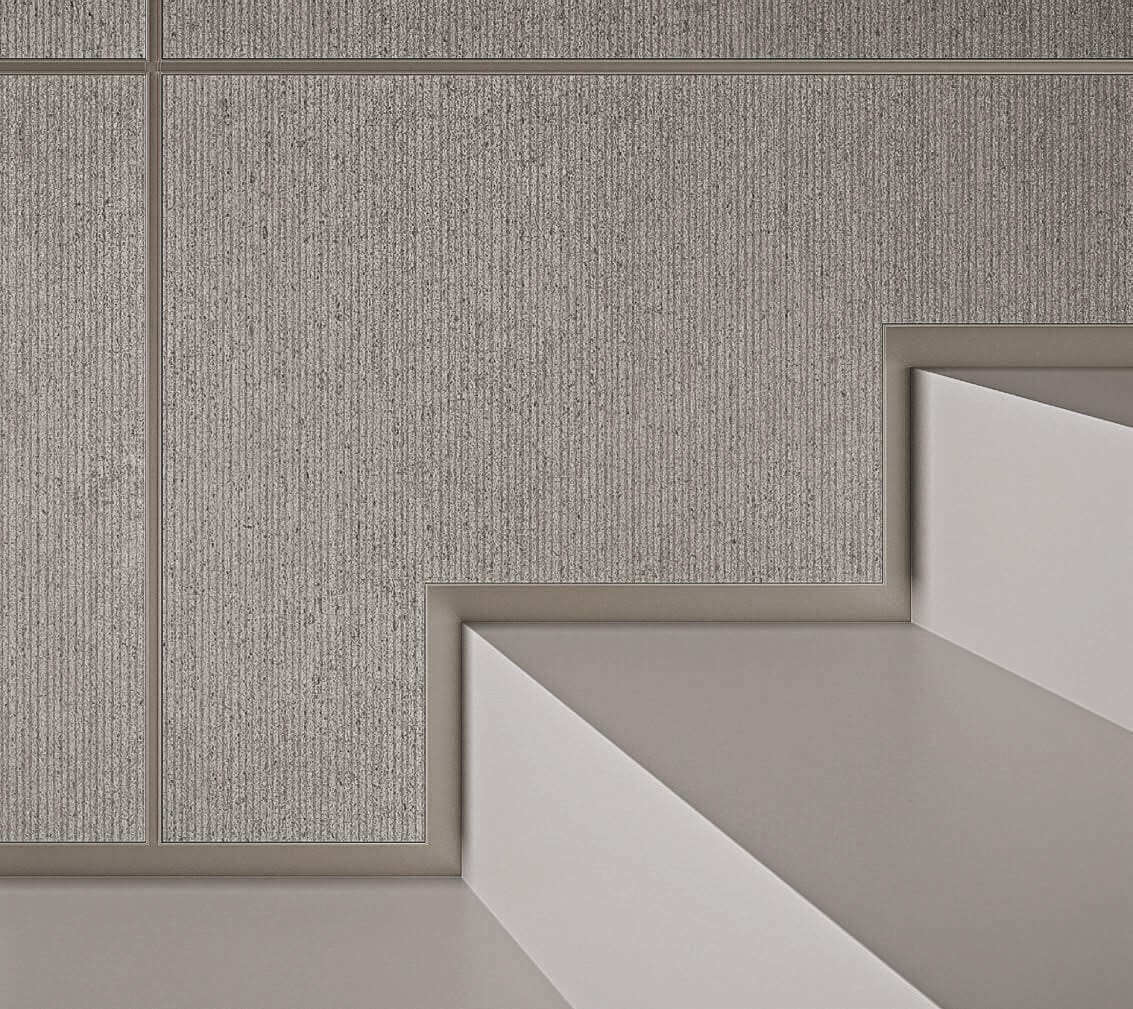
Rimadesio’s Modulor system demonstrates this approach through modular geometry and consistent datum lines. Hinged doors, glass display cabinets and floating shelving integrate within the same grid, with reveals and junctions aligned so the wall reads as one uninterrupted composition while still performing as storage, access and display.
MATERIALS, FINISHES AND FLEXIBILITY
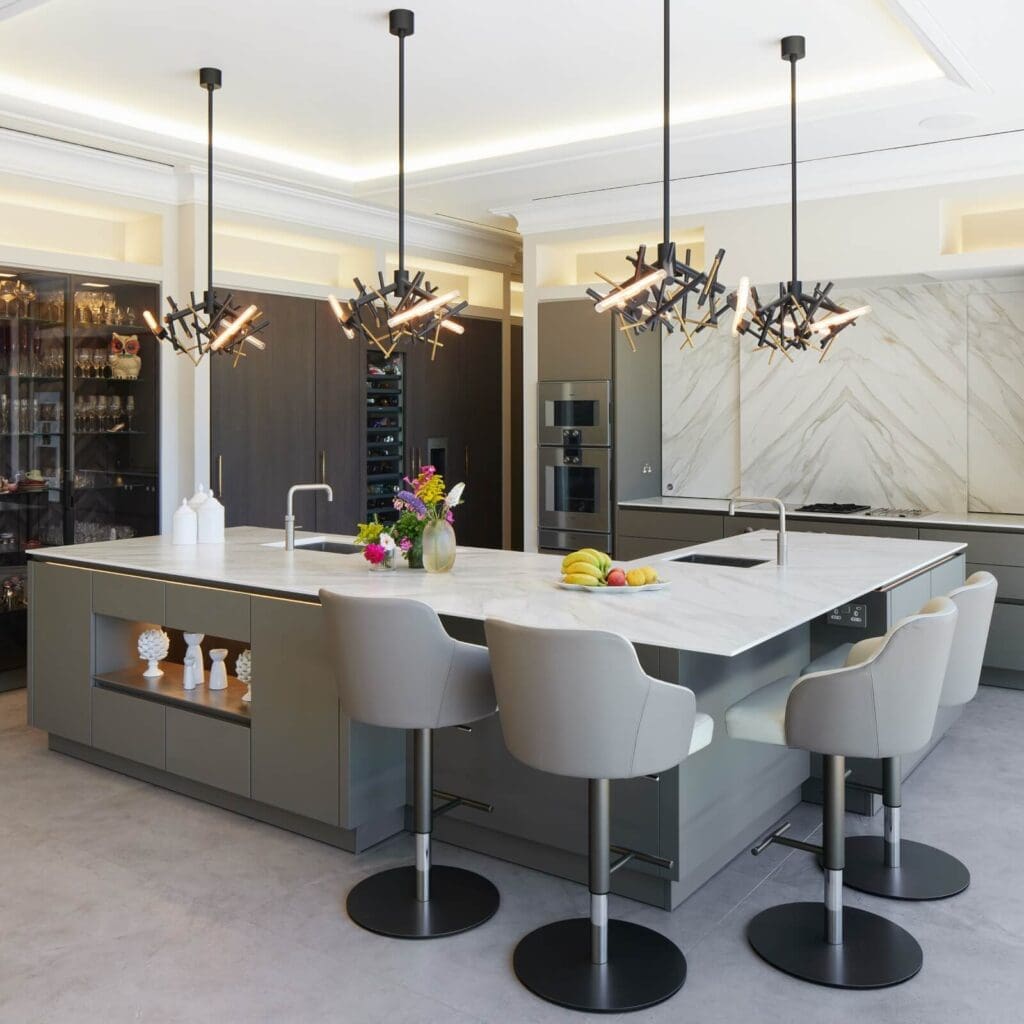
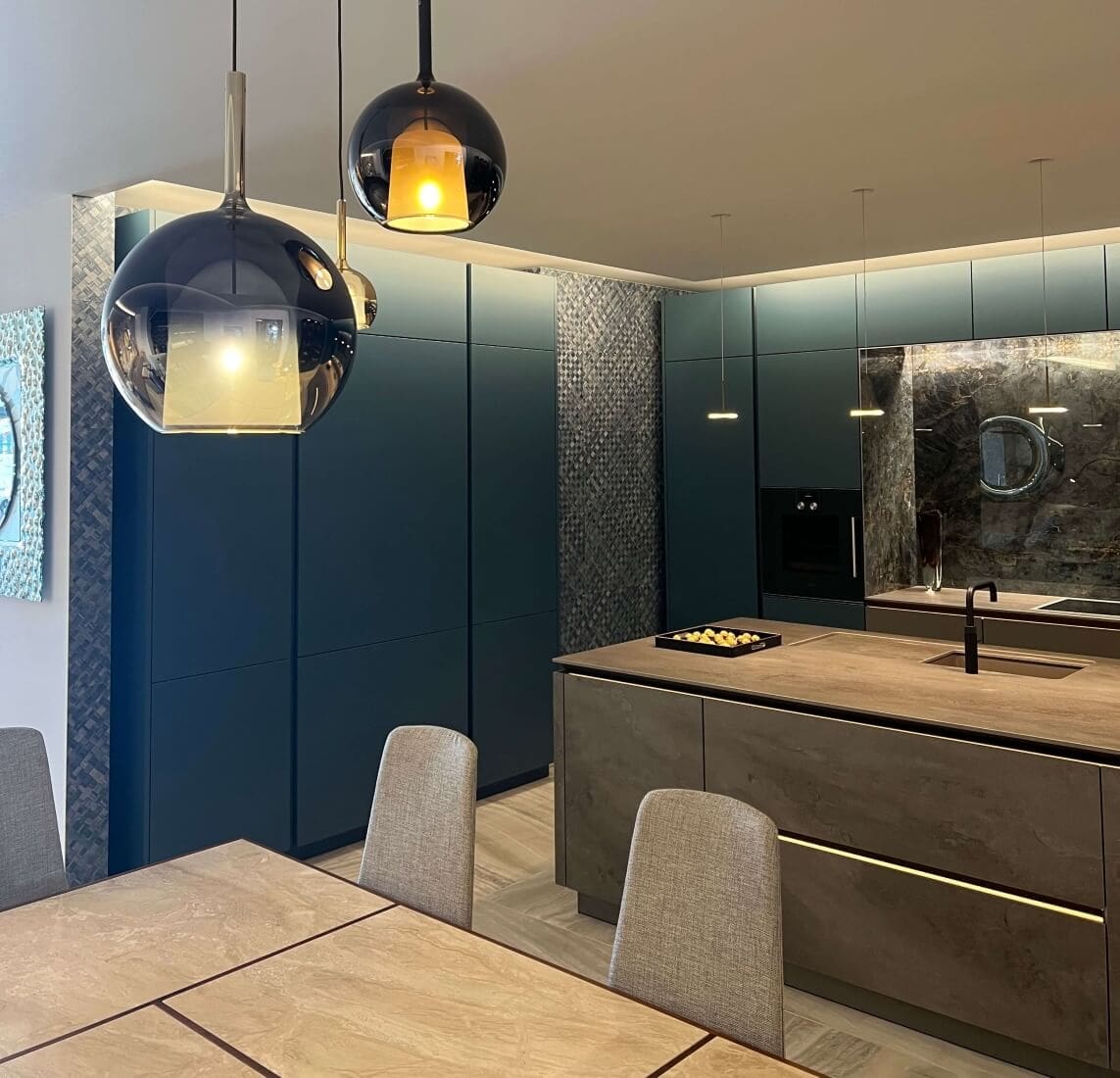
What makes Modulor compelling is the way material choice can be carried through the same architectural set-out. A controlled palette of finishes, including timber veneer, lacquered glass, fabric-effect panels and porcelain, can be specified to match the surrounding material story so the wall plane holds continuity across doors, floors and cabinetry.
The system adapts through measured dimensions and resolved junctions. Panels are produced in defined heights and widths, corner conditions are coordinated within the grid, and tolerances are accounted for so every millimetre lands cleanly at interfaces. A symmetrical media wall, a recessed library corner, or a softly lit hallway run each depend on the same principle: a disciplined module that carries alignment through the whole composition.
Integrated Lighting, Invisible Doors
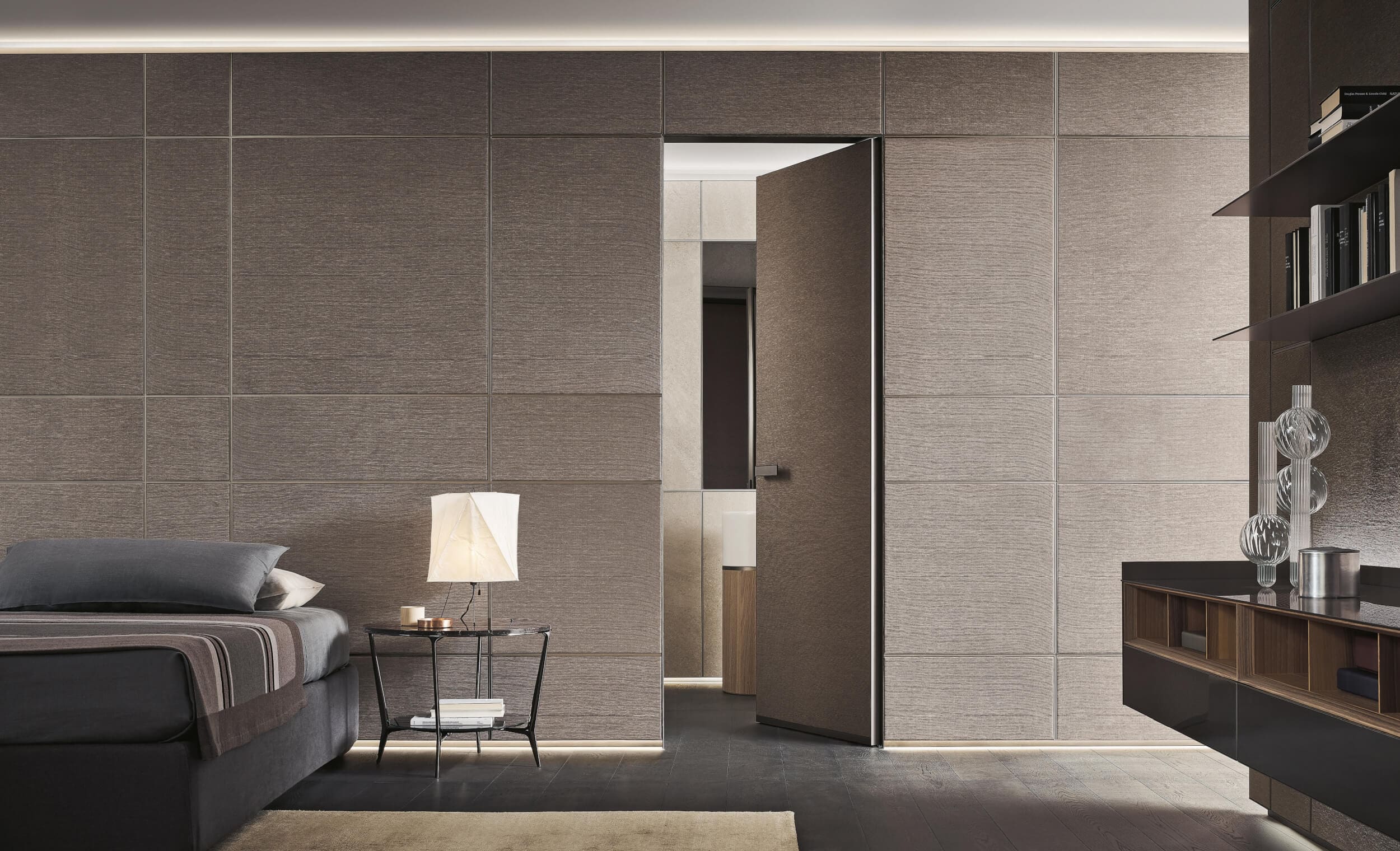
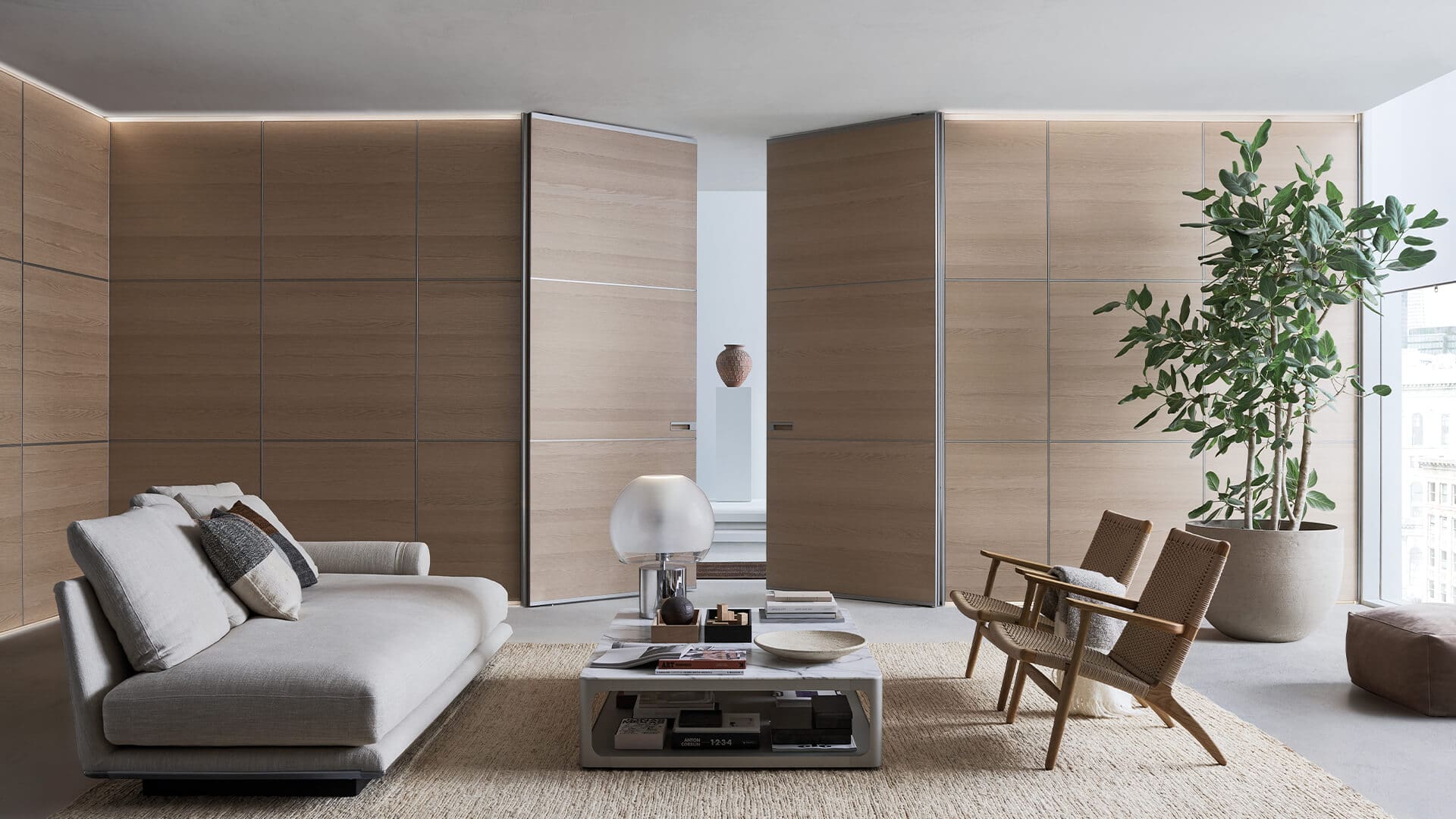
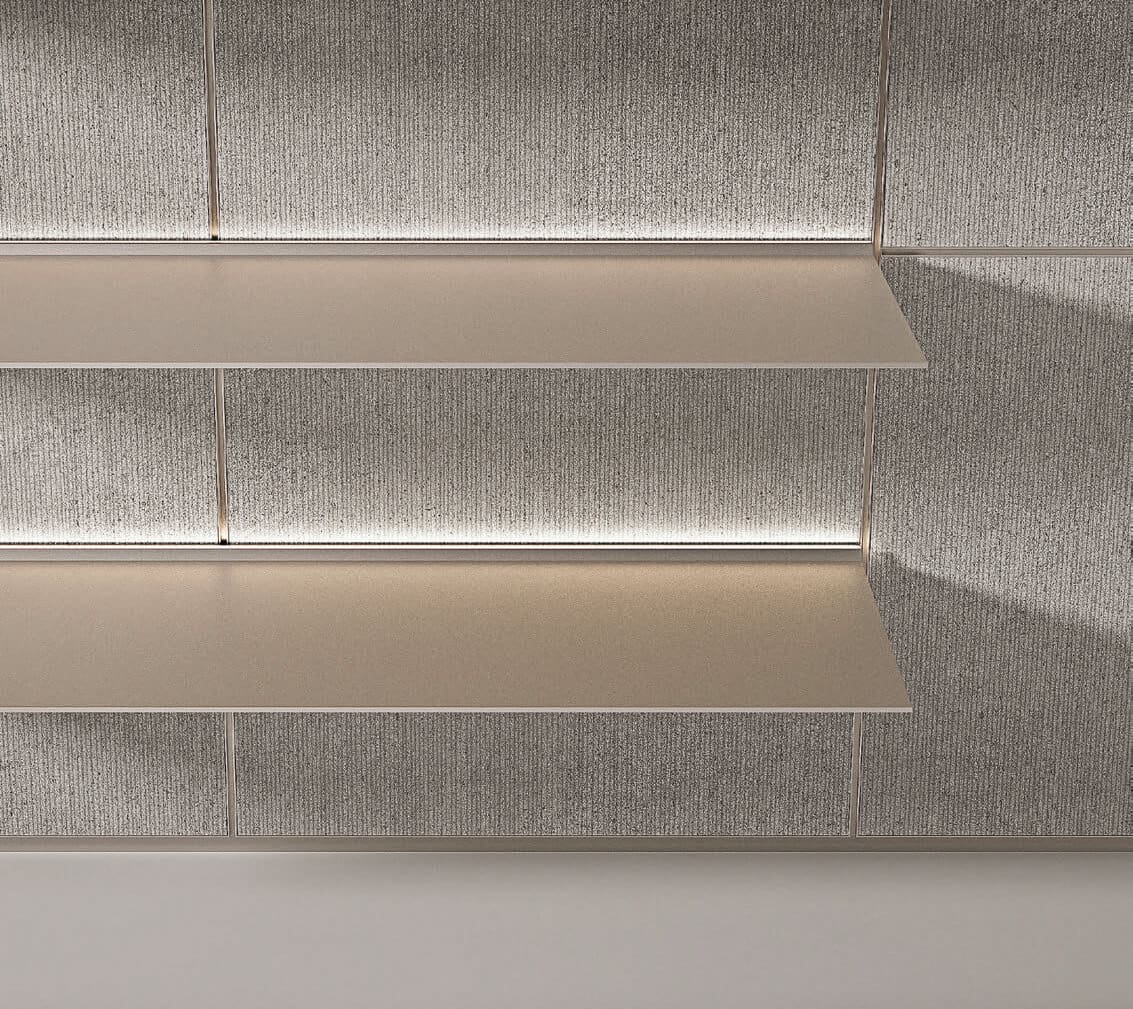
One of the most effective uses of contemporary boiserie is lighting integration within the joinery line. Upper and lower LED profiles, ambient shelf lighting and flush detailing can be coordinated to control glare, accent material depth and establish scenes that move the room from task to rest without adding fittings that break the wall plane.
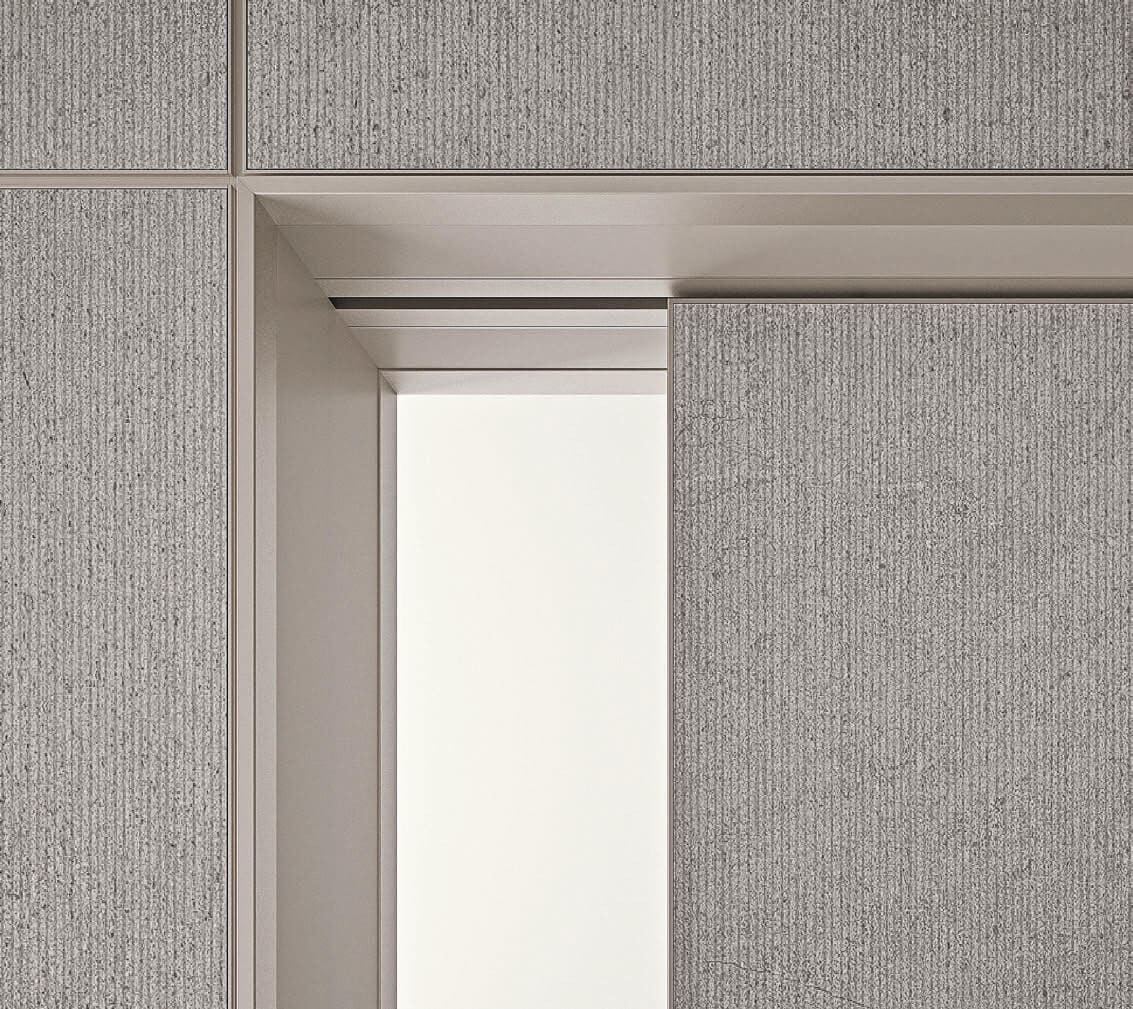
Door integration depends on grid alignment and hardware coordination. Concealed hinges, flush handles and magnetic latching hold the door within the panelling datum so reveals stay consistent and thresholds remain visually clear. The outcome is a wall surface that reads as one composition, with access and movement resolved into the same architectural language.
Designed for the Way You Live
At Dream Design, boiserie earns its place when it improves daily use through planned integration. We set out storage, media positions, concealed access points and lighting circuits against the panel grid, then carry that intent through drawings, coordination and installation so the wall continues to perform after handover.
Where a modular wall system supports the brief, we specify it as part of the interior architecture and coordinate the interfaces that decide the result: junction lines, service routes, lighting positions and door alignment.
View our projects to discover how architectural wall panelling supports clarity, storage and light in lived spaces.